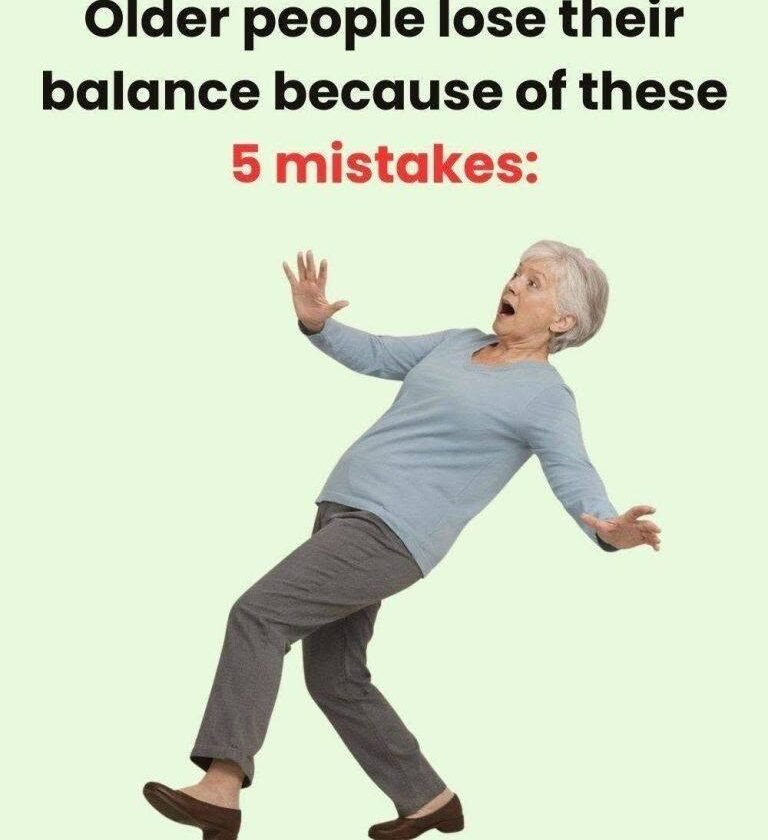
Balance naturally can change with age, but falls aren’t an inevitable part of getting older. Several everyday factors can make balance worse.
Common mistakes that can affect balance
- Staying inactive: Avoiding movement can reduce leg strength, flexibility, and confidence.
- Ignoring vision problems: Uncorrected vision changes can make obstacles and uneven surfaces harder to detect.
- Wearing unstable footwear: Loose slippers, worn soles, or shoes without adequate support can increase fall risk.
- Getting up too quickly: Standing suddenly can cause lightheadedness, particularly in people prone to low blood pressure.
- Poor lighting: Dark hallways, stairs, and bathrooms make trips and missteps more likely.
- Leaving clutter or loose rugs around: These create common household trip hazards.
- Not reviewing medications: Some medicines can cause dizziness, sleepiness, or low blood pressure. Don’t stop prescribed medication yourself; ask a clinician or pharmacist to review it.
- Dehydration: Not drinking enough can contribute to weakness or dizziness in some people.
- Using a cane or walker incorrectly: An improperly fitted or incorrectly used mobility aid may provide less support than intended.
- Ignoring new dizziness or balance changes: A new or worsening problem can sometimes indicate an underlying medical condition and deserves evaluation.
What helps
Regular strength and balance exercises, appropriate footwear, good lighting, and making the home safer can all reduce fall risk. A physical therapist can also assess gait and recommend exercises tailored to the individual.
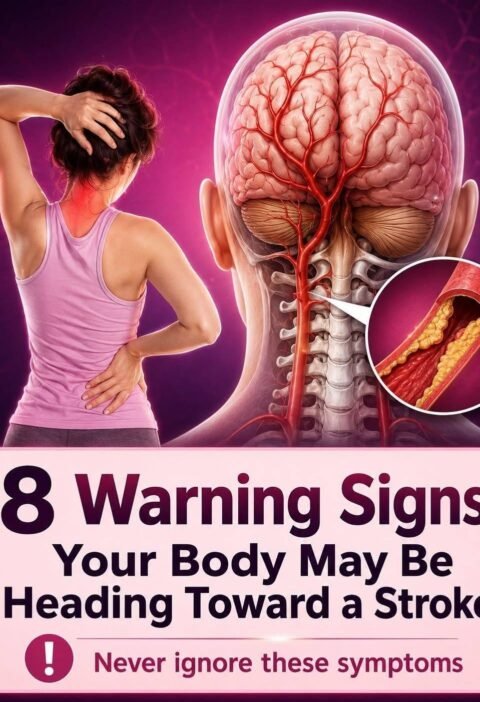
If someone develops sudden loss of balance, especially with facial drooping, weakness/numbness on one side, trouble speaking, severe headache, or vision changes, treat it as an emergency because these can be signs of a stroke.