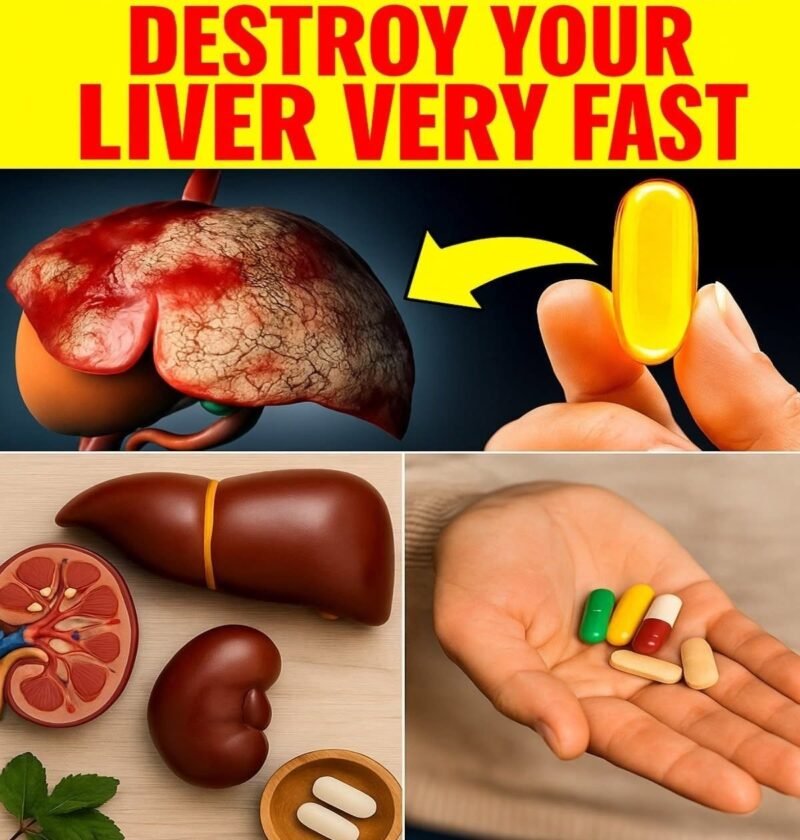
Yes—some vitamins and supplements can harm the liver or kidneys when taken in excessive doses or in certain combinations. The risk isn’t the same for every supplement, and normal recommended doses are generally much less concerning. NIH sources specifically note that high-dose supplements and taking multiple products can increase adverse effects. NCCIH+1
9 to be especially careful with
-
Vitamin A — Excessive amounts can cause liver injury and, with long-term excess, can weaken bones. NCBI+1
-
Niacin (vitamin B3) — High doses, particularly sustained-release preparations, can injure the liver. NCBI
-
Vitamin D — Excessive supplementation can cause dangerously high calcium levels, potentially damaging the kidneys.
-
Vitamin C — Very high doses can increase the risk of kidney stones in susceptible people.
-
Iron — Unnecessary or excessive iron can cause toxicity and may damage the liver and other organs. Office of Dietary Supplements
-
Calcium — Excessive supplemental calcium can contribute to kidney stones and, in certain circumstances, elevated blood calcium.
-
Herbal weight-loss/bodybuilding products — These deserve particular caution; bodybuilding supplements are a leading category associated with supplement-related liver injury. NCCIH
-
Ashwagandha-containing supplements — Rare cases of clinically significant liver injury have been reported.
-
Multi-ingredient herbal supplements — The exact ingredients and doses can be difficult to verify, and contamination or undeclared ingredients can complicate safety. NCBI
Important: “Natural” doesn’t automatically mean safe. The NIH’s LiverTox database documents liver injury associated with numerous medicines, herbs, and dietary supplements. niddk.nih.gov+1
If you have kidney or liver disease, take several medications, or are considering high-dose supplements, it’s particularly important to discuss them with a healthcare professional before starting them.