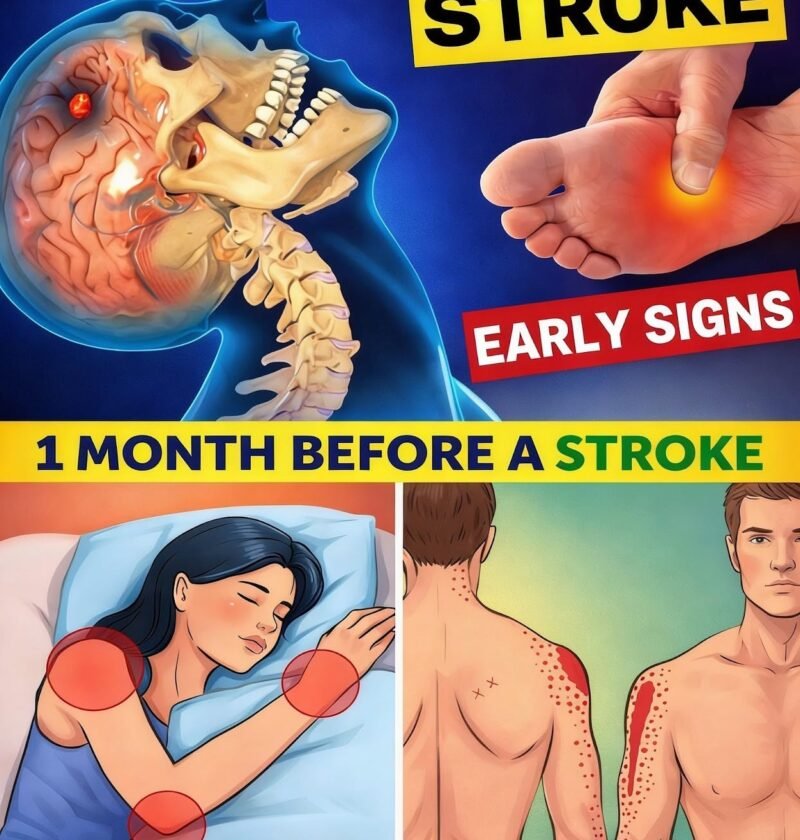
8 Warning Signs of Stroke — and 9 Ways to Lower Your Risk
One important correction to the headline: there usually aren’t reliable warning symptoms days or weeks before a stroke. However, a transient ischemic attack (TIA) can cause the same sudden symptoms as a stroke and may serve as a warning that a stroke could follow. TIAs require urgent medical evaluation even when symptoms disappear. CDC+1
8 symptoms to take seriously
-
Sudden loss of balance or coordination
-
Sudden vision changes, including blurred or lost vision
-
Sudden facial drooping or numbness
-
Sudden weakness or numbness in an arm
-
Sudden weakness or numbness in a leg, particularly on one side
-
Sudden difficulty speaking or understanding speech
-
Sudden confusion
-
A sudden, severe headache with no known cause CDC+1
Remember B.E. F.A.S.T.: Balance, Eyes, Face, Arms, Speech, Time. If any of these symptoms suddenly appear, seek emergency medical help immediately. Don’t wait to see whether they disappear. www.stroke.org
9 ways to reduce stroke risk
-
Control high blood pressure, one of the most important modifiable risk factors.
-
Manage diabetes and keep blood glucose under control.
-
Don’t smoke or use tobacco.
-
Exercise regularly and avoid prolonged inactivity.
-
Eat a heart-healthy diet, emphasizing vegetables, fruits, whole grains and minimally processed foods.
-
Maintain a healthy weight.
-
Manage cholesterol with lifestyle measures and medication when prescribed.
-
Address atrial fibrillation and other heart conditions with appropriate medical care.
-
Take prescribed medications consistently and discuss side effects or concerns with your healthcare professional rather than stopping them on your own. www.stroke.org+2
Most important: If stroke-like symptoms have already occurred—even if they lasted only a few minutes and completely disappeared—treat that as an emergency. A TIA cannot reliably be distinguished from a stroke without medical assessment. CDC+1