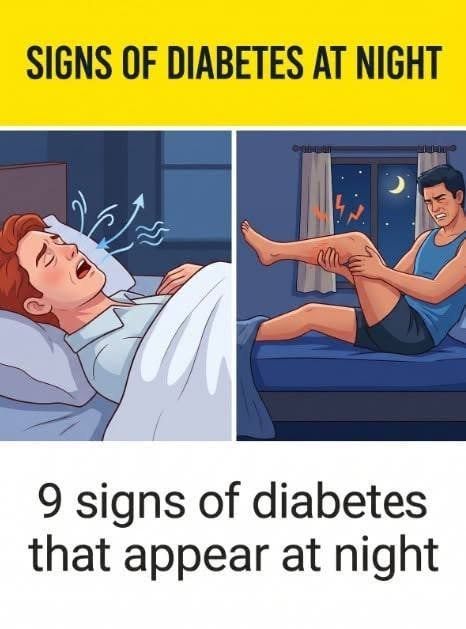
When blood sugar levels are unmanaged, diabetes symptoms don’t take a break when you go to sleep. In fact, because the body is resting and fasting overnight, certain warning signs can become much more noticeable or distinct during nighttime hours.
Recognizing these nocturnal red flags can lead to earlier diagnosis and better blood sugar control. Here are 9 signs of diabetes that frequently appear or worsen at night:
—
### 1. Frequent Nighttime Urination (Nocturia)
Waking up multiple times a night to empty your bladder is one of the most common early signs of diabetes. When blood sugar is high, your kidneys work overtime to filter and flush out the excess glucose. This draws extra water into your urine, filling your bladder quickly even if you haven’t been drinking fluids right before bed.
### 2. Excessive Thirst Upon Waking
Because frequent urination drains your body of fluids overnight, you may wake up with an intense, unquenchable dryness in your mouth and throat. This persistent thirst (polydipsia) is your body’s immediate signal to rehydrate after losing large amounts of fluid through nighttime urination.
### 3. Tingling, Burning, or Pain in the Feet
Diabetic neuropathy (nerve damage caused by chronically high blood sugar) frequently flares up at night. During the day, distractions like work, movement, and activity mask minor nerve discomfort. When you lie down quietly in bed, the pins-and-needles sensation, numbness, or deep burning pain in your feet and toes becomes much more pronounced.
### 4. Night Sweats
Sweating profusely during sleep can be a sign of nocturnal hypoglycemia (low blood sugar), especially for individuals taking insulin or glucose-lowering medications. If your blood sugar drops too sharply while you are asleep, it can trigger a stress response from your nervous system, resulting in sudden, damp night sweats.
### 5. Restless or Disturbed Sleep
Unstable blood sugar levels—whether spiking too high or dropping too low—disrupt natural sleep cycles. High glucose can cause frequent bathroom trips, headaches, and general physical discomfort, while low glucose can cause restlessness, anxiety, or disturbing dreams. This leads to fragmented, poor-quality sleep.
### 6. Unexplained Nighttime or Early Morning Hunger
If your cells aren’t properly absorbing glucose for energy due to insulin resistance, they send starvation signals to your brain. This can cause you to wake up with a sudden, intense feeling of hunger in the middle of the night or a ravenous appetite first thing in the morning, regardless of what you ate for dinner.
### 7. Morning Fatigue Despite “Full” Rest
Waking up feeling completely exhausted, sluggish, or heavy-headed even after spending 7 to 8 hours in bed is a classic sign of nocturnal blood sugar fluctuations. Because your body’s cells were starved of proper energy fuel overnight, you wake up feeling as though you haven’t rested at all.
### 8. Vivid Nightmares or Confusion Upon Waking
Severe dips in blood sugar overnight (nocturnal hypoglycemia) starve the brain of its primary fuel source (glucose). This can manifest as confusion upon waking, severe morning headaches, disorientation, or unusually vivid, frightening nightmares that jolt you awake.
### 9. Itchy, Dry Skin or Irritation
While dry, itchy skin can happen all day, it often feels more intense at night when you are resting and your attention is turned inward. The combination of systemic fluid loss from frequent urination and poor circulation can leave your skin parched, while high sugar levels in the body create a welcoming environment for fungal or bacterial skin irritations.
—
> ⚠️ **When to See a Doctor**
> If you consistently experience several of these nighttime symptoms—especially frequent waking to urinate paired with intense morning thirst or foot numbness—it is important to schedule a visit with a healthcare professional. A simple fasting blood glucose test or an A1C blood test can quickly determine if these signs point to prediabetes or diabetes.
Are you or someone you know currently experiencing any of these nighttime symptoms, or have you noticed recent changes in your sleep patterns?