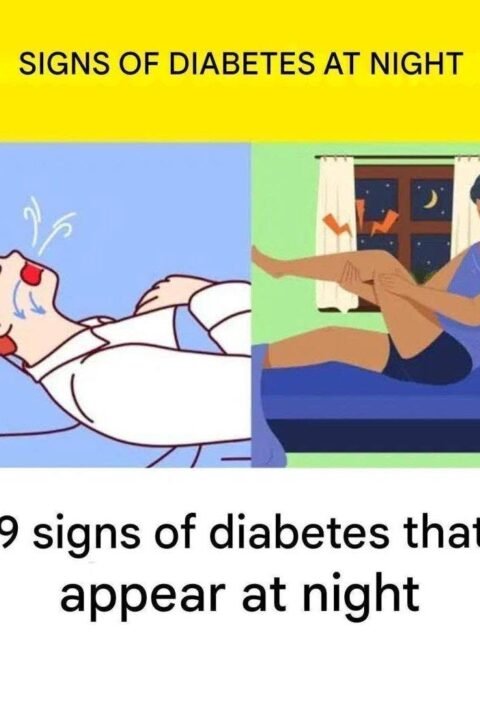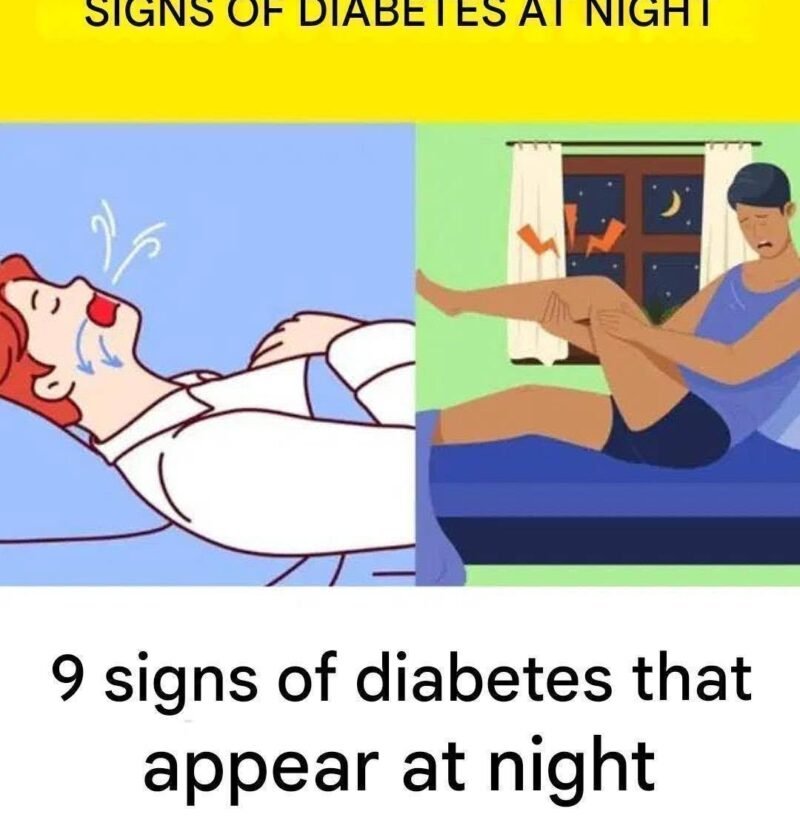
While many symptoms of diabetes—such as increased thirst or frequent daytime urination—are easy to notice during waking hours, high or fluctuating blood sugar levels can also trigger distinct warning signs while you sleep. Because these symptoms disrupt rest or occur in the dark, they are often dismissed as poor sleep habits, aging, or stress.
9 Signs of Diabetes That Appear at Night
-
1. Frequent Nighttime Urination (Nocturia)
-
Why it happens: When blood sugar levels are high, your kidneys work overtime to filter and flush out the excess glucose. This extra sugar draws water with it, filling your bladder rapidly and forcing you to wake up multiple times during the night to use the bathroom.
-
-
2. Extreme Thirst (Polydipsia) Upon Waking
-
Why it happens: Directly linked to frequent urination, losing excess fluids leaves your body dehydrated. Waking up with a parched, dry mouth and an intense, unquenchable urge to drink water is a classic overnight sign.
-
-
3. Nocturnal Leg Cramps and Muscle Spasms
-
Why it happens: High blood sugar causes fluid loss and electrolyte imbalances (such as shifts in magnesium, potassium, and sodium). These imbalances, combined with poor circulation, frequently trigger sudden, painful muscle contractions in the calves or feet during the night.
-
-
4. Numbness, Tingling, or Burning in the Feet (Neuropathy)
-
Why it happens: Persistently elevated blood sugar damages the small blood vessels that nourish your nerves, typically starting in the extremities. This nerve damage often becomes much more noticeable and bothersome at night when distractions are gone, leading to pins and needles, burning sensations, or cold feet.
-
-
5. Night Sweats and Unexplained Flushes
-
Why it happens: Uncontrolled blood sugar can disrupt the autonomic nervous system, which regulates body temperature and sweating. Additionally, sudden nighttime drops in blood sugar (nocturnal hypoglycemia) can trigger a rush of stress hormones like adrenaline, leading to heavy sweating and clamminess while sleeping.
-
-
6. Restless Legs Syndrome (RLS) or Creepy-Crawly Sensations
-
Why it happens: People with diabetes have a higher prevalence of restless legs syndrome, characterized by an irresistible urge to move the legs while resting, often accompanied by pulling, crawling, or aching sensations that disrupt sleep.
-
-
7. Vivid Nightmares or Waking Up with Anxiety and Heart Palpitations
-
Why it happens: If your blood sugar drops too low in the middle of the night (hypoglycemia), your body releases emergency hormones like epinephrine and cortisol to raise it back up. This hormonal surge can wake you abruptly with a racing heart, shaking, anxiety, or vivid nightmares.
-
-
8. Snoring and Obstructive Sleep Apnea (OSA)
-
Why it happens: There is a strong two-way link between type 2 diabetes and sleep apnea. Obesity, inflammation, and fluid shifting to the neck while lying flat can narrow your airways, causing loud snoring, gasping, and repeated breathing pauses throughout the night.
-
-
9. Persistent Fatigue Despite a Full Night’s Sleep
-
Why it happens: When your body cannot effectively use glucose for energy due to insulin resistance or deficiency, your cells are essentially starved of fuel. Coupled with the sleep disruptions caused by nocturia, sleep apnea, or neuropathy, you wake up feeling completely unrefreshed, no matter how many hours you stayed in bed.
-
When to see a doctor: If you consistently experience several of these nighttime symptoms—especially chronic waking to urinate, intense thirst, and unexplained fatigue—schedule an appointment with your healthcare provider. A simple fasting blood glucose test or an A1C blood test can easily check your average blood sugar levels over the past three months and provide clarity.
Are you noticing any of these nighttime disruptions, or are you exploring this out of concern for blood sugar health?