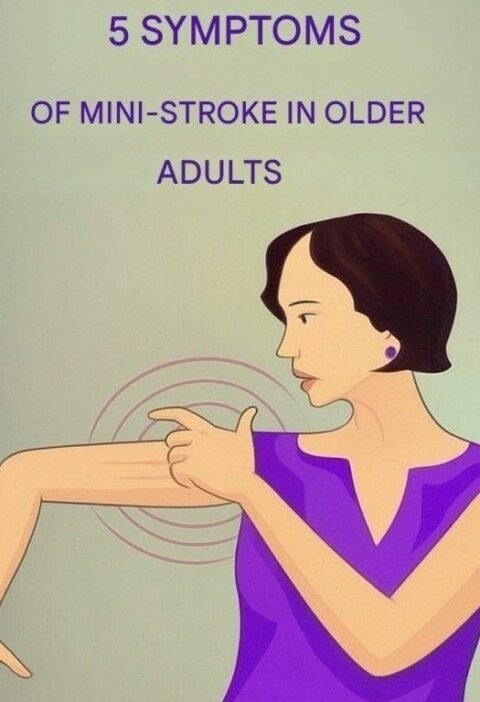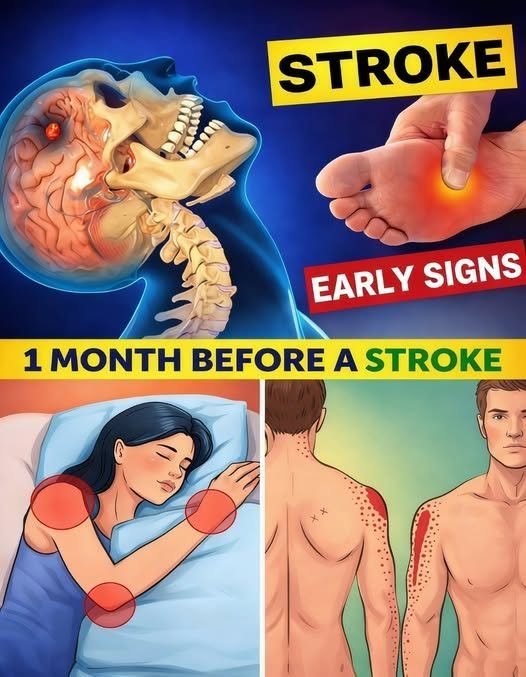
The headline “8 Warning Signs of Stroke That May Appear One Month Before” needs an important correction: there is no reliable list of eight symptoms that predict a stroke exactly one month in advance. A stroke typically causes symptoms suddenly. However, a TIA (“mini-stroke”) can cause temporary stroke-like symptoms and is an important warning that a major stroke may follow.
8 symptoms that should never be ignored
These can occur suddenly and may indicate a stroke or TIA:
- Sudden weakness or numbness, particularly on one side of the body.
- Face drooping or an uneven smile.
- Sudden difficulty speaking or understanding speech.
- Sudden confusion.
- Sudden vision problems in one or both eyes.
- Sudden dizziness, loss of balance, or difficulty walking.
- Sudden severe headache with no known cause.
- Sudden loss of coordination or other unexplained neurological changes.
These aren’t necessarily symptoms that appear one month before a stroke. They are warning signs of a stroke/TIA when they occur suddenly.
9 practical ways to reduce stroke risk
1. Control blood pressure.
High blood pressure is one of the most important controllable stroke risk factors. Have it checked regularly and follow your treatment plan.
2. Keep cholesterol under control.
High LDL cholesterol contributes to plaque buildup in arteries and increases stroke risk. Diet, exercise and medication when indicated can help.
3. Don’t smoke or vape.
Tobacco damages blood vessels and increases stroke risk. Avoiding secondhand smoke is also beneficial.
4. Be physically active.
Regular physical activity helps manage blood pressure, cholesterol, blood sugar and weight.
5. Eat a heart-healthy diet.
Emphasize vegetables, fruits, whole grains, beans, nuts and fish, while limiting excess salt, saturated/trans fats and added sugars.
6. Manage diabetes and blood sugar.
High blood sugar can damage blood vessels and substantially increase stroke risk.
7. Maintain a healthy weight.
Excess weight is associated with several stroke risk factors, including hypertension and diabetes.
8. Limit alcohol.
Excessive alcohol can increase cardiovascular and stroke risk. If you don’t drink, there is no need to start for health reasons.
9. Take prescribed medicines correctly.
Don’t stop blood-pressure, cholesterol, diabetes, heart-rhythm or other prescribed medicines without discussing it with your healthcare professional