🚨 8 Warning Signs of Stroke That May Appear Before a Major Event — and 9 Ways to Lower Your Risk
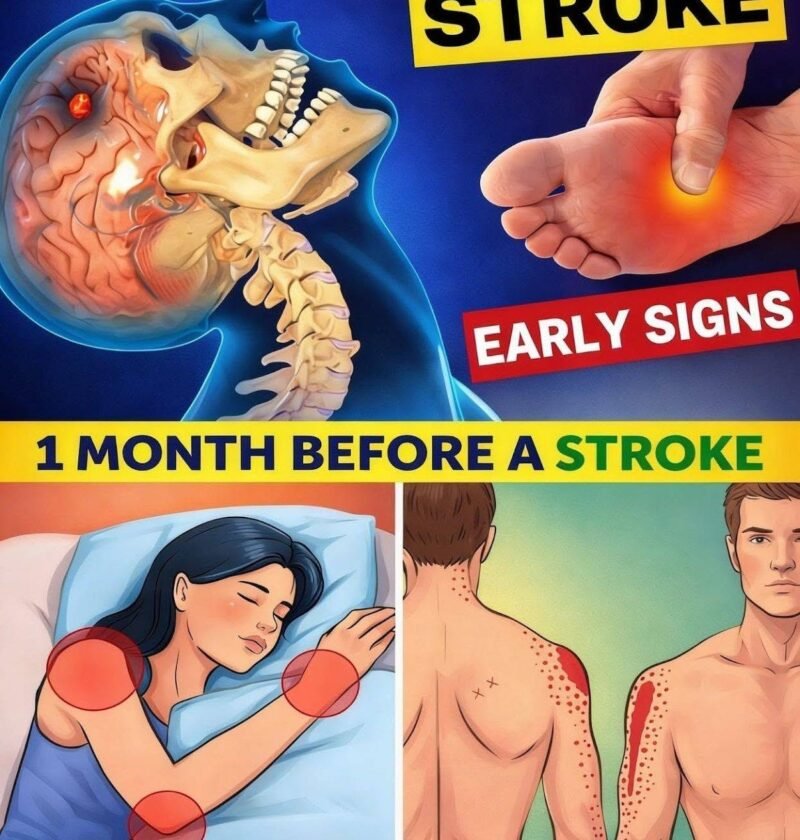
A stroke can happen suddenly, but some people experience temporary stroke-like symptoms beforehand, often because of a transient ischemic attack (TIA). A TIA is sometimes called a “mini-stroke,” and even when symptoms disappear, it requires urgent medical evaluation because it can signal a higher risk of a subsequent stroke. CDC+1
8 warning signs you should never ignore
8 warning signs you should never ignore
- Sudden numbness or weakness — particularly in the face, arm, or leg, especially on one side.
- Facial drooping — one side of the face may suddenly become weak or numb.
- Sudden speech problems — slurred speech, difficulty finding words, or trouble understanding others.
- Sudden vision changes — blurred, double, or lost vision.
- Sudden dizziness or loss of balance — particularly when it appears unexpectedly.
- Sudden difficulty walking — stumbling or losing coordination without an obvious reason.
- Sudden confusion — difficulty understanding, thinking, or responding normally.
- A sudden severe headache — particularly a severe headache with no known cause. CDC
⏱️ Remember B.E. F.A.S.T.
- B — Balance: sudden loss of balance
- E — Eyes: sudden vision changes
- F — Face: facial drooping
- A — Arms: sudden weakness or numbness
- S — Speech: difficulty speaking or understanding
- T — Time: get emergency medical help immediately
Don’t wait for symptoms to disappear. If symptoms resolve after a few minutes, it could still be a TIA and needs urgent medical assessment. CDC
🛡️ 9 ways to lower your stroke risk
- Control your blood pressure. High blood pressure is the leading controllable risk factor for stroke. CDC+1
- Don’t smoke or vape. Tobacco damages blood vessels and increases stroke risk. www.stroke.org
- Manage diabetes. Keeping blood glucose under control can reduce vascular complications.
- Know your cholesterol levels. High cholesterol contributes to plaque buildup in arteries.
- Stay physically active. Aim for regular moderate activity; the CDC recommends about 150 minutes per week for adults. CDC
- Maintain a healthy weight. Excess weight can contribute to high blood pressure, diabetes, and abnormal cholesterol.
- Choose a heart-healthy diet. Emphasize vegetables, fruits, whole grains, beans, nuts, and fish while limiting excess sodium and saturated and trans fats. CDC+1
- Limit alcohol. Excessive alcohol consumption can raise blood pressure and stroke risk. CDC
- Treat heart conditions such as atrial fibrillation. AFib can allow blood clots to form and travel to the brain, substantially increasing stroke risk. Take prescribed medications exactly as directed. CDC+1
🚑 The most important message
A possible stroke or TIA is not something to monitor at home. If sudden neurological symptoms occur, seek emergency medical care immediately and note the time the symptoms started. Fast treatment can reduce brain injury and disability. CDC