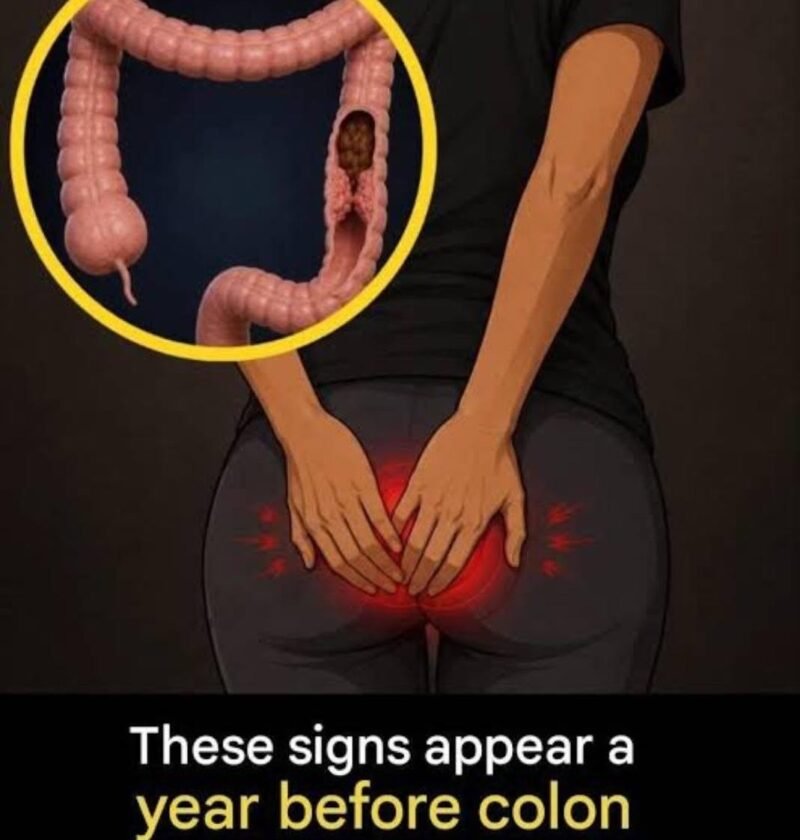
Recognizing the early warning signs of colorectal cancer can save lives, as early detection dramatically improves treatment success. While many digestive symptoms can stem from harmless conditions like hemorrhoids, IBS, or dietary changes, persistent changes in your bowel habits should never be brushed aside.
Here are 8 important warning signs of colon cancer that you should never ignore:
1. Persistent Changes in Bowel Habits
-
What to watch for: A noticeable, ongoing shift in your normal bowel routine—such as sudden, unexplained bouts of diarrhea or constipation, or a significant change in the consistency of your stool that lasts for more than a few days.
-
Why it happens: A growing tumor or polyp in the colon or rectum can physically obstruct the normal passage of waste, altering how your bowel functions.
2. Rectal Bleeding or Blood in Stool
-
What to watch for: Seeing bright red blood on toilet paper, in the toilet bowl, or noticing stools that appear very dark, tarry, or black.
-
Why it happens: Tumors in the colon or rectum can bleed as food and waste pass over them. While bright red blood is often caused by common issues like hemorrhoids or small fissures, it should always be medically evaluated to rule out anything more serious.
3. Ongoing Abdominal Discomfort or Cramping
-
What to watch for: Frequent gas, persistent cramps, bloating, or a vague feeling of fullness and pain in your abdomen that doesn’t seem to go away.
-
Why it happens: Partial blockages caused by abnormal growths can trap gas and waste, leading to continuous discomfort and cramping in the lower belly.
4. Feeling Like Your Bowel Isn’t Completely Empty (Tenesmus)
-
What to watch for: The persistent sensation that you need to have a bowel movement, even immediately after having one, accompanied by the feeling that your bowel didn’t empty fully.
-
Why it happens: A tumor located lower down in the rectum can create a false sense of fullness or physically interfere with complete evacuation.
5. Unexplained Weight Loss
-
What to watch for: Losing a noticeable amount of weight (e.g., 10 pounds or more) over a few months without changing your diet or increasing your exercise routine.
-
Why it happens: Cancerous cells can alter your metabolism, and the body’s immune response to a tumor can consume extra energy, leading to sudden, unintended weight loss.
6. Chronic Fatigue and Weakness
-
What to watch for: Feeling overwhelmingly tired, weak, or drained day after day, even after getting a full night’s sleep.
-
Why it happens: Slow, ongoing bleeding from a tumor that isn’t immediately obvious can lead to iron-deficiency anemia over time. Without enough healthy red blood cells to carry oxygen, your body feels constantly fatigued.
7. Unexplained Nausea or Vomiting
-
What to watch for: Frequent, unexplained feelings of nausea or episodes of vomiting, particularly when combined with abdominal bloating or pain.
-
Why it happens: If a large tumor or growth significantly narrows or blocks the colon, it can back up the digestive tract, triggering nausea and upper gastrointestinal distress.
8. A Persistent Urge to Go (Changes in Stool Shape)
-
What to watch for: Stools that are consistently much narrower than usual (often described as “pencil-thin” stools) for more than a few days.
-
Why it happens: A narrowing passage through the colon caused by a physical obstruction or mass can squeeze and mold the stool into a thinner shape as it passes through.
When to See a Doctor
Many of these symptoms can easily mimic less severe conditions, but any symptom that persists for more than two weeks warrants a conversation with a primary care physician or gastroenterologist. Routine screening (such as a colonoscopy) remains the gold standard for catching and removing precancerous polyps long before symptoms ever appear.