8 Habits to Reconsider If You Take Amlodipine — And Why
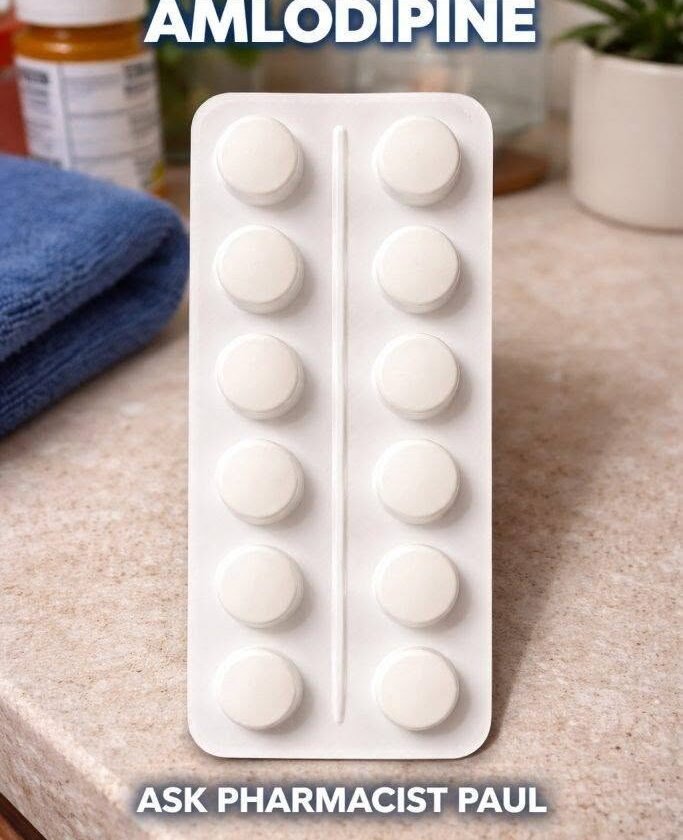
Amlodipine is widely used for high blood pressure and angina. The headline “stop these 8 habits” is a little dramatic: most people don’t need to make major lifestyle restrictions, but some habits can increase side effects or interfere with treatment. (nhs.uk)
1. Don’t stop taking it suddenly
Even if your blood pressure improves, don’t discontinue amlodipine without medical advice. Stopping can allow your blood pressure to rise again. (nhs.uk)
2. Don’t routinely drink large amounts of alcohol
Alcohol can add to amlodipine’s blood-pressure-lowering effect, increasing the chance of dizziness or low blood pressure. Limiting alcohol is particularly important if you already feel light-headed. (nhs.uk)
3. Be cautious with grapefruit
The NHS currently advises avoiding grapefruit and grapefruit juice while taking amlodipine because it may increase the likelihood of side effects. Drug-interaction advice can vary by medication and formulation, so follow the instructions supplied with your prescription and ask your pharmacist if you’re unsure. (nhs.uk)
4. Don’t ignore persistent ankle swelling
Swelling of the ankles, feet, or legs is a recognized common side effect. Don’t simply stop your medication because of it—tell your doctor if it’s troublesome or persistent. (nhs.uk)
5. Don’t drive if you’re dizzy or unusually sleepy
Dizziness and sleepiness can occur with amlodipine. If you experience these effects, avoid driving, cycling, or operating machinery until you feel normal again. (nhs.uk)
6. Don’t start supplements or medicines casually
Some medicines and herbal products can interact with amlodipine, including certain antibiotics, antifungals, HIV medicines, immunosuppressants, and St John’s wort. Tell your doctor or pharmacist about supplements and over-the-counter medicines too. (nhs.uk)
7. Don’t double the dose after forgetting one
If you miss a dose, don’t take two doses together. NHS guidance recommends skipping the missed dose and taking the next one at the usual time. (nhs.uk)
8. Don’t ignore severe symptoms
Seek urgent medical attention for symptoms such as fainting, severe breathing difficulty, or signs of a serious allergic reaction. (nhs.uk)
The key takeaway
You don’t need to fear amlodipine or radically change your lifestyle. The important habits are taking it consistently, moderating alcohol, checking for interactions, monitoring troublesome side effects, and avoiding self-directed dose changes.
And if you’re experiencing swollen ankles, dizziness, palpitations, flushing, or fatigue, speak with your doctor or pharmacist rather than stopping amlodipine yourself. (nhs.uk)