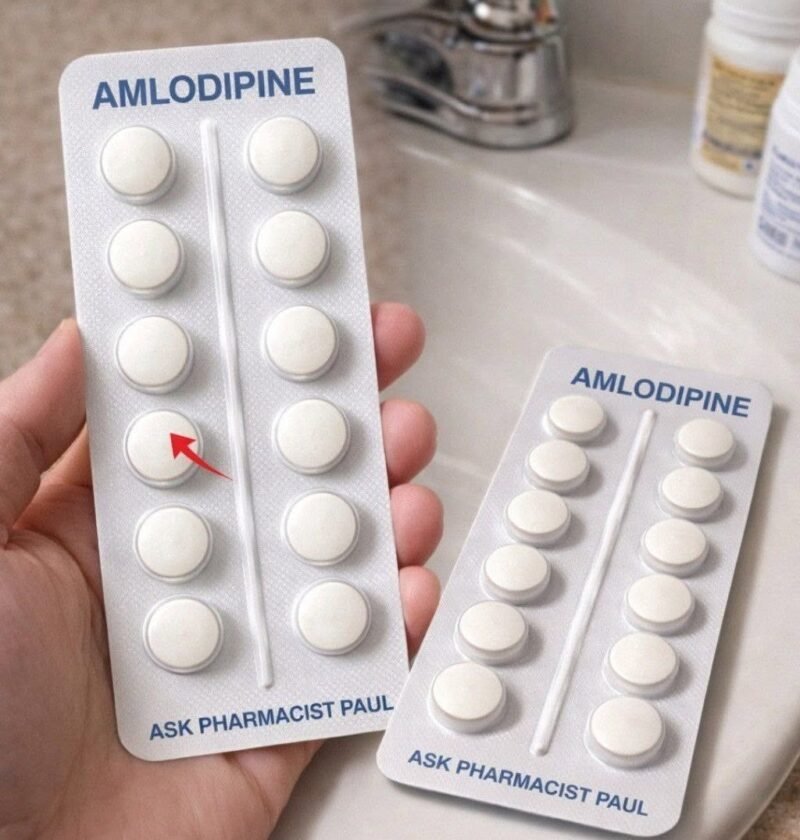
The headline “8 Habits You Should Stop This Year If You Are Taking Amlodipine – And Why” is a prime example of pharmaceutical clickbait. These articles thrive on alarming people who take common blood pressure medications by blending sensible medical advice with bizarre, sensationalized prohibitions—often claiming that eating a single piece of fruit, drinking tap water, or taking a standard multivitamin will instantly cause a dangerous drug interaction.
Amlodipine is a widely prescribed calcium channel blocker used to treat hypertension (high blood pressure) and coronary artery disease. It works by relaxing the smooth muscle in your blood vessels, allowing them to widen and making it easier for your heart to pump blood.
While managing your lifestyle while on prescription medication is crucial, you don’t need to live in fear of arbitrary internet rules. Let’s separate internet myth from actual clinical guidance regarding habits to watch out for when taking amlodipine.
Real Clinical Considerations for Amlodipine
When prescribing amlodipine, physicians and pharmacists focus on a few specific physiological interactions and lifestyle factors that genuinely impact how the drug behaves in your body:
1. Abruptly Stopping or Skipping Doses
-
The Habit: Stopping blood pressure medication cold turkey the moment you feel fine or see a normal reading on your home monitor.
-
Why to Stop It: Amlodipine has a long half-life in the body, but erratic dosing or sudden cessation can trigger “rebound hypertension”—a sharp, dangerous spike in blood pressure that puts unnecessary strain on your heart and cerebral blood vessels. Always consult your doctor before altering any prescription regimen.
2. Excessive Salt (Sodium) Intake
-
The Habit: Maintaining a high-sodium diet heavy in processed foods, canned soups, and restaurant meals while relying entirely on your blood pressure medication to “fix” it.
-
Why to Stop It: Sodium causes your body to retain fluid and increases blood volume. Consuming excess salt actively fights against amlodipine’s goal of lowering vascular resistance, blunting the effectiveness of the medication.
3. Over-the-Counter NSAIDs (Ibuprofen, Naproxen)
-
The Habit: Regularly popping high-dose ibuprofen or naproxen for everyday aches and pains without checking with a doctor.
-
Why to Stop It: Non-steroidal anti-inflammatory drugs (NSAIDs) cause the kidneys to retain sodium and water and can constrict blood vessels. Regular, heavy use of NSAIDs is well-documented to counteract antihypertensive medications, making blood pressure harder to control.
4. Heavy Alcohol Consumption
-
The Habit: Binge drinking or regularly consuming high amounts of alcohol.
-
Why to Stop It: Alcohol acts as a vasodilator in the short term, but combined with blood pressure medications like amlodipine, it can lead to an exaggerated drop in blood pressure, causing dizziness, lightheadedness, or fainting when standing up (orthostatic hypotension).
Busted: The “Exotic Food” Fearmongering
Clickbait articles often love to warn amlodipine users away from completely normal foods based on exaggerated chemistry:
-
Grapefruit Confusion: While grapefruit juice interacts strongly with certain other blood pressure medications (specifically calcium channel blockers like nifedipine or felodipine metabolized heavily by CYP3A4 enzymes in the gut), standard clinical guidelines note that amlodipine has a much lower risk profile with normal dietary grapefruit consumption. (Though if you drink massive quantities daily, your pharmacist can offer tailored advice).
The Takeaway
Managing blood pressure successfully on amlodipine doesn’t require dodging secret forbidden lifestyle traps. It comes down to consistent medication adherence, moderating dietary sodium, minimizing heavy NSAID use, and maintaining open communication with your prescribing physician.