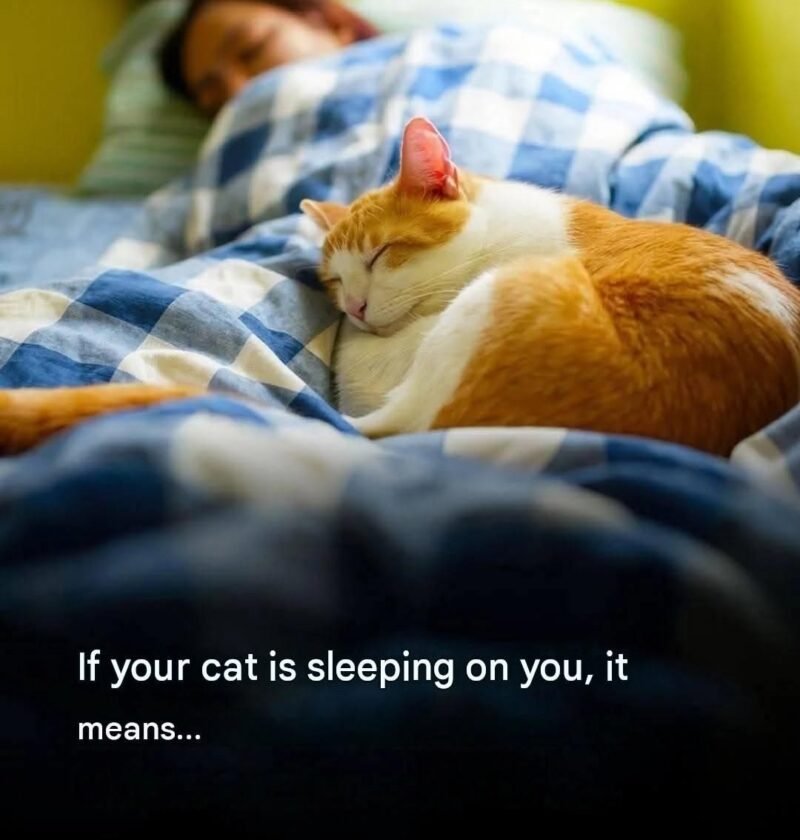
Another classic viral listicle headline—though unlike most clickbait, cat sleeping positions actually do reveal a lot about how safe, warm, and comfortable a cat feels, because cats are both predators and prey animals.
8 Common Cat Sleeping Positions & What They Mean
| Position | What It Looks Like | What It Means |
| 1. The Belly-Up (Exposed Stomach) | Sprawled on their back with paws in the air and belly completely exposed. | Ultimate trust and safety. A cat’s stomach is its most vulnerable area; sleeping belly-up means they feel 100% secure in their environment (and often want to cool off). |
| 2. The Curled Ball (The “Croissant”) | Tightly curled with tail wrapped around the body and nose tucked near the paws. | Conserving body heat and protecting vital organs. This is the default instinctual sleep posture in the wild—or simply a sign the room is a bit chilly. |
| 3. The Loaf | Front paws tucked neatly underneath the chest, body upright like a loaf of bread. | Relaxed, light rest (“catnapping”). They are comfortable enough to doze off, but keeping their paws under them lets them spring up quickly if something happens. |
| 4. The Side Sleeper | Stretched out on one side with legs extended straight out. | Deep, restorative sleep. Their vital organs are exposed and they aren’t poised to run—a clear sign they feel safe and are entering deeper REM sleep. |
| 5. The Paw-Over-Face | Curled up or on their side with one or both front paws covering their eyes or nose. | Blocking out light or signaling “do not disturb.” Just like pulling a blanket over your head, it keeps bright light out and helps retain warmth around their face. |
| 6. The Superman | Flat on their stomach with front legs stretched forward and back legs splayed straight behind. | Cooling down or pure exhaustion. Pressing their belly against a cool floor (like tile or hardwood) helps dissipate heat, often seen in kittens and active cats. |
| 7. The Monorail | Perched along the narrow back of a couch, armrest, or stair railing with legs dangling off both sides. | Keeping watch from high ground. Cats feel safer observing territory from elevated spots while resting without fully letting their guard down. |
| 8. Curled Up on or Against You | Sleeping on your chest, lap, head, or wedged right beside your legs. | Bonding, warmth, and scent-marking. You are a reliable heat source, and sleeping against you mixes your scents together—a core feline social behavior. |
Quick Tip: Watch the Ears and Whiskers
-
Ears relaxed forward/sideways + loose whiskers: Truly peaceful, stress-free sleep.
-
Ears pinned back + tense posture (like a tight loaf hunched low): They may be cold, stressed by something in the room, or—if unusual for your cat—hiding pain or discomfort.