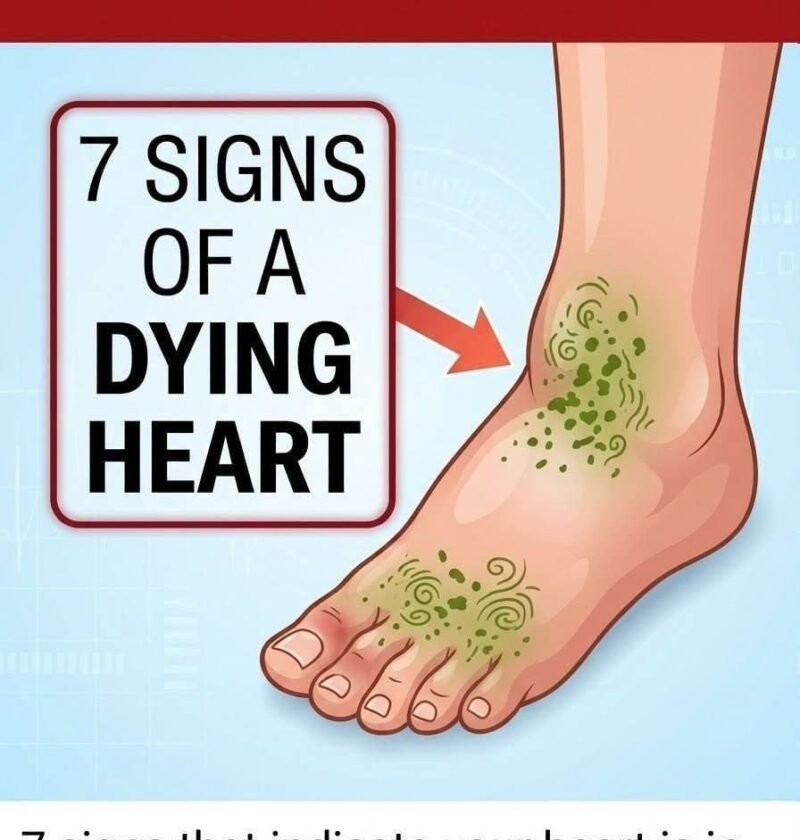
The headline “7 signs that indicate your heart is in serious danger” is peak internet health anxiety bait. It’s designed to make you panic over a harmless muscle twitch, a quick flutter from too much coffee, or a mild stitch in your side, framing every everyday quirk as an impending cardiac emergency.
When it comes to cardiovascular health, you don’t need to guess based on sensationalized lists of ambiguous “strange signs.” Your heart communicates distress through very specific, well-documented clinical pathways.
Let’s cut through the internet panic and look at the real, medically recognized warning signs that indicate your heart needs urgent professional evaluation.
The Genuine Medical Warning Signs of Heart Distress
Cardiologists look for patterns of symptoms that indicate the heart muscle is struggling to pump efficiently, experiencing a blockage (ischemia), or beating out of rhythm. Here are the true red flags:
1. Exertional Chest Pressure or Discomfort (Angina)
-
What it feels like: A heavy pressure, squeezing, fullness, or tightness in the center or left side of your chest.
-
The Medical Reality: This happens when plaque-narrowed coronary arteries cannot supply enough oxygen-rich blood to the heart muscle during physical exertion or stress. Unlike a sharp, fleeting muscle pain or a stitch, cardiac pressure typically builds over a few minutes and subsides when you rest.
2. Pain Radiating to the Jaw, Neck, Back, or Left Arm
-
What it feels like: Discomfort or aching that travels from your chest up into your jaw, down your left shoulder, or into your upper back.
-
The Medical Reality: Because nerves from the heart and surrounding upper body regions share common pathways in the spinal cord, the brain can misinterpret cardiac distress as pain radiating down the arm or into the jaw.
3. Unexplained Shortness of Breath (Dyspnea)
-
What it feels like: Struggling to catch your breath during routine activities—like walking up a flight of stairs or carrying groceries—that used to feel effortless.
-
The Medical Reality: If the heart muscle is weakened (such as in heart failure or following ischemia), it cannot pump blood effectively. This causes fluid to back up into the tiny blood vessels of your lungs, making breathing difficult.
4. Sudden, Profound Fatigue or Weakness
-
What it feels like: A heavy, sudden exhaustion that hits you out of nowhere, making even simple tasks feel like lifting weights.
-
The Medical Reality: When cardiac output drops, your body reroutes vital blood flow away from non-essential muscles and toward the brain and heart, leaving you drained and weak.
5. Lightheadedness, Dizziness, or Fainting (Syncope)
-
What it feels like: A sudden woozy feeling, tunnel vision, or blacking out.
-
The Medical Reality: If your heart beats too fast, too slow, or erratically (dangerous arrhythmias), it can temporarily drop your blood pressure and starve your brain of oxygen, causing dizziness or fainting.
6. Persistent, Unexplained Swelling (Edema) in Legs and Ankles
-
What it feels like: Noticeable swelling in your lower legs, ankles, or feet that leaves an indentation when you press your thumb into the skin.
-
The Medical Reality: Weakened heart pump function causes fluid to back up in the venous system, pulling fluid down into the lower extremities due to gravity.
7. A Racing, Fluttering, or Pounding Heartbeat (Palpitations)
-
What it feels like: Feeling like your heart is flipping flopping, skipping beats, or pounding wildly in your chest while you are sitting completely still.
-
The Medical Reality: While occasional skipped beats are often harmless (often triggered by stress, caffeine, or lack of sleep), persistent, fast, or irregular heart rhythms (like atrial fibrillation) require formal diagnosis via an EKG.
The Takeaway
If you experience a combination of chest pressure, unusual shortness of breath, and cold sweats, do not scroll through a clickbait article—call emergency services immediately.
For everyday preventive heart health, skip the viral panic and focus on the basics proven by decades of clinical science: regular physical activity, managing blood pressure and cholesterol, avoiding smoking, and getting routine checkups with your physician.