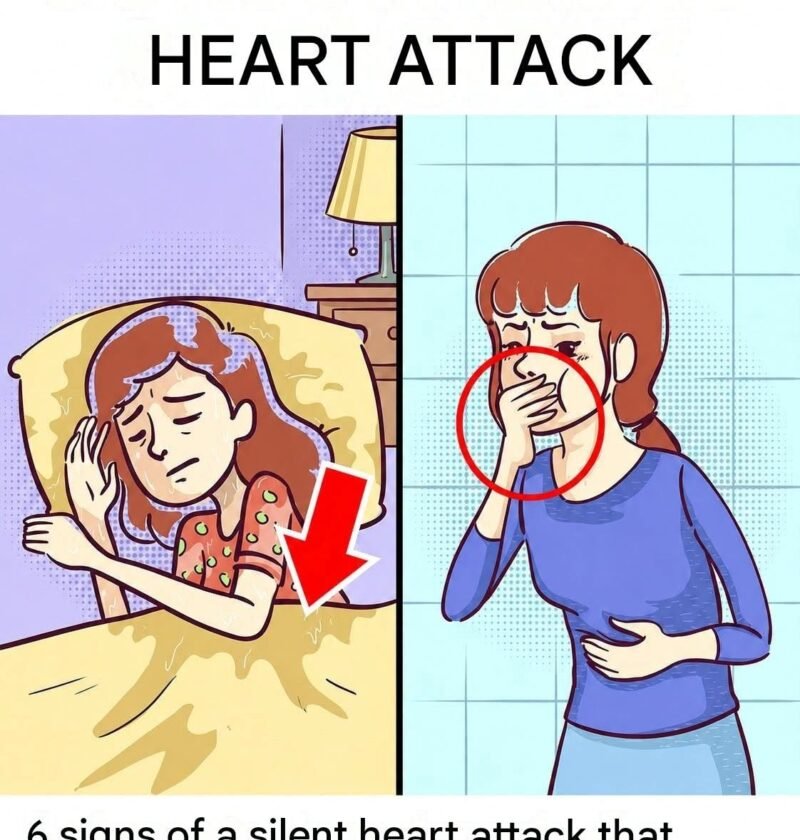
While classic heart attack portrayals involve dramatic chest clutching and sudden collapse, a “silent heart attack” (medically known as a silent myocardial infarction or SMI) occurs with little to no unmistakable symptoms. In fact, research suggests that a significant percentage of heart attacks are silent, often going completely unnoticed until they are discovered later during routine electrocardiograms (ECGs) or imaging.
Because the signs are subtle, they are frequently misattributed to everyday fatigue, muscle strain, or routine aging. Here are 6 of the most overlooked signs that can indicate a silent cardiac event:
1. Unusual or Unexplained Fatigue
-
What it feels like: A profound, sudden exhaustion that doesn’t improve with sleep. You might find yourself completely wiped out after simple, routine activities like making the bed, walking to the mailbox, or grocery shopping.
-
Why it’s overlooked: It’s easy to dismiss as a poor night’s sleep, a busy week, or normal aging, but when the heart muscle experiences a sudden drop in blood supply, overall cardiac output dips, starving the body of oxygen and causing heavy, whole-body fatigue.
2. Mild Discomfort in the Upper Body (Beyond the Chest)
-
What it feels like: A vague, dull ache, tightness, or pressure not just in the chest, but radiating to the jaw, neck, upper back, or one or both arms (especially the left).
-
Why it’s overlooked: Because there is rarely the classic crushing chest pain, people often mistake these sensations for a stiff neck, TMJ jaw tension, a strained shoulder muscle, or simple indigestion.
3. Sudden Shortness of Breath (Dyspnea)
-
What it feels like: Catching your breath becomes difficult during light exertion or even while resting, making you feel as though you just ran a sprint when you were only sitting or standing.
-
Why it’s overlooked: It is frequently blamed on being out of shape, seasonal allergies, or mild asthma. However, when the heart pumps less efficiently due to damaged tissue, fluid can back up slightly into the lungs, impairing normal oxygen exchange.
4. Cold Sweats (Diaphoresis)
-
What it feels like: Breaking out into a sudden, clammy, cold sweat for no apparent reason—often accompanied by a feeling of unease or lightheadedness—while sitting in a comfortable room.
-
Why it’s overlooked: People often attribute cold sweats to a hot flash, stress, anxiety, or coming down with a mild bug, but a sudden autonomic nervous system response is a classic physiological reaction to acute cardiac stress.
5. Nausea, Indigestion, or Heartburn
-
What it feels like: A sudden sour stomach, mild upper abdominal pressure, or a burning sensation that feels remarkably like acid reflux or a heavy meal.
-
Why it’s overlooked: Digestive issues are common, making it second nature to reach for an antacid rather than suspecting the heart. The vagus nerve shares pathways between the heart and the upper digestive tract, meaning cardiac distress can easily manifest as stomach discomfort.
6. Lightheadedness or Sudden Dizziness
-
What it feels like: A brief feeling of wooziness, unsteadiness, or feeling as though you might faint when standing up or moving around.
-
Why it’s overlooked: Often blamed on not drinking enough water, standing up too fast, or minor inner-ear imbalance. However, if a silent heart attack causes a sudden drop in blood pressure or an irregular heart rhythm, blood flow to the brain drops temporarily, triggering dizziness.
Why Recognizing Silent Heart Attacks Matters
Even though the symptoms are mild or absent during the event, a silent heart attack still damages heart muscle tissue. Identifying risk factors early—such as high blood pressure, high cholesterol, diabetes, or a family history of heart disease—and maintaining routine cardiovascular checkups are critical for protecting long-term heart health.