Here’s a detailed, health-conscious version suitable for a social post or article:
5 Surprising Causes of Leg Weakness in Older Adults — and What You Can Do About It
Leg weakness isn’t always simply “getting older.” Sometimes it’s a sign of something treatable—or something that deserves medical attention.
1. Not getting enough protein
Muscles need adequate protein to maintain and repair themselves. Older adults who eat very little protein, lose their appetite, or unintentionally lose weight may be at greater risk of muscle loss.
What you can do: Include protein-rich foods such as eggs, fish, yogurt, milk, beans, lentils, tofu, or lean meat throughout the day. If appetite or weight loss is an issue, discuss nutrition with a healthcare professional.
2. Too much sitting
Long periods of inactivity can gradually reduce muscle strength and physical capacity. Even if you aren’t ill, spending most of the day sitting can make everyday activities feel harder.
What you can do: Break up sitting time with short walks and regular movement. Gradually add strength exercises such as chair stands, wall push-ups, or resistance-band exercises.
3. Vitamin B12 deficiency
Low vitamin B12 can affect the nervous system and may cause weakness, numbness, tingling, or problems with balance. Certain medications and medical conditions can increase the risk of deficiency.
What you can do: If weakness occurs alongside numbness, tingling, balance problems, or unusual fatigue, ask a clinician whether B12 testing is appropriate. Don’t start high-dose supplements without discussing the cause first.
4. Medication side effects
Some medications can contribute to fatigue, dizziness, muscle problems, or weakness. The issue may be especially noticeable when several medications are being taken together.
What you can do: Have a doctor or pharmacist review your medications if new weakness develops. Don’t stop a prescribed medication on your own.
5. Nerve or circulation problems
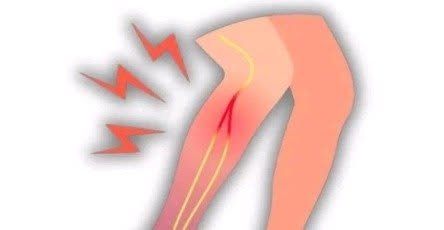
Conditions affecting the nerves or blood vessels can sometimes make the legs feel weak or heavy. For example, nerve problems associated with diabetes can affect sensation and balance, while reduced blood flow can cause leg discomfort during walking.
What you can do: Persistent, worsening, or unexplained weakness deserves a medical evaluation so the underlying cause can be identified and treated appropriately.
🚨 Don’t ignore sudden weakness
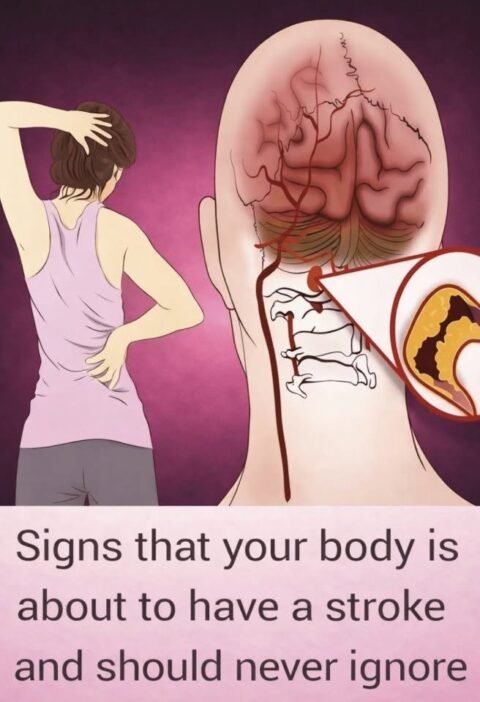
Sudden weakness in one leg or one side of the body—especially with facial drooping, speech difficulty, severe dizziness, or trouble walking—can be a medical emergency. Seek emergency medical help immediately.
And if leg weakness is gradually worsening, causing falls, or interfering with walking or daily activities, arrange a medical assessment rather than assuming it’s simply part of aging.