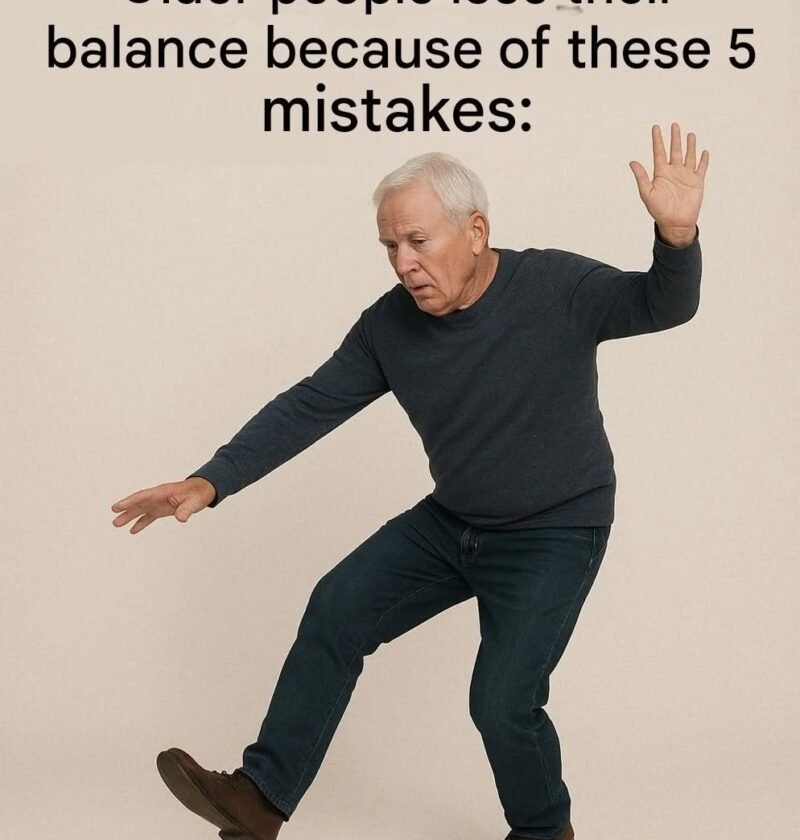
5 Common Mistakes That Can Make Older Adults
Lose Their Balance
Balance problems become more common with age, but some everyday habits can increase the risk of stumbling or falling.
- Wearing the wrong footwear
Loose slippers, smooth soles, high heels, or poorly fitting shoes can make it harder to maintain stable footing. Supportive, well-fitting shoes with good traction are generally safer. - Getting up too quickly
Standing suddenly after sitting or lying down can cause a temporary drop in blood pressure, leading to dizziness or unsteadiness. Rising slowly and pausing before walking can help. - Ignoring vision changes
Poor vision makes it harder to detect steps, obstacles, uneven flooring, and changes in surface height. Regular eye examinations are important. - Not exercising the legs and balance system
Avoiding physical activity can gradually weaken the muscles needed for stability. Appropriate strength, walking, and balance exercises can help maintain mobility. - Leaving fall hazards around the home
Loose rugs, clutter, electrical cords, wet floors, and inadequate lighting can turn an ordinary walk into a fall risk. Keeping pathways clear and using good lighting—especially at night—can make a significant difference.
Important: A new or worsening balance problem shouldn’t simply be dismissed as “getting older.” It can sometimes be related to medication effects, inner-ear problems, vision issues, low blood pressure, neurological conditions, or other medical problems. A healthcare professional can help identify the cause, particularly after a fall or sudden change in balance.