5 common problems to watch for
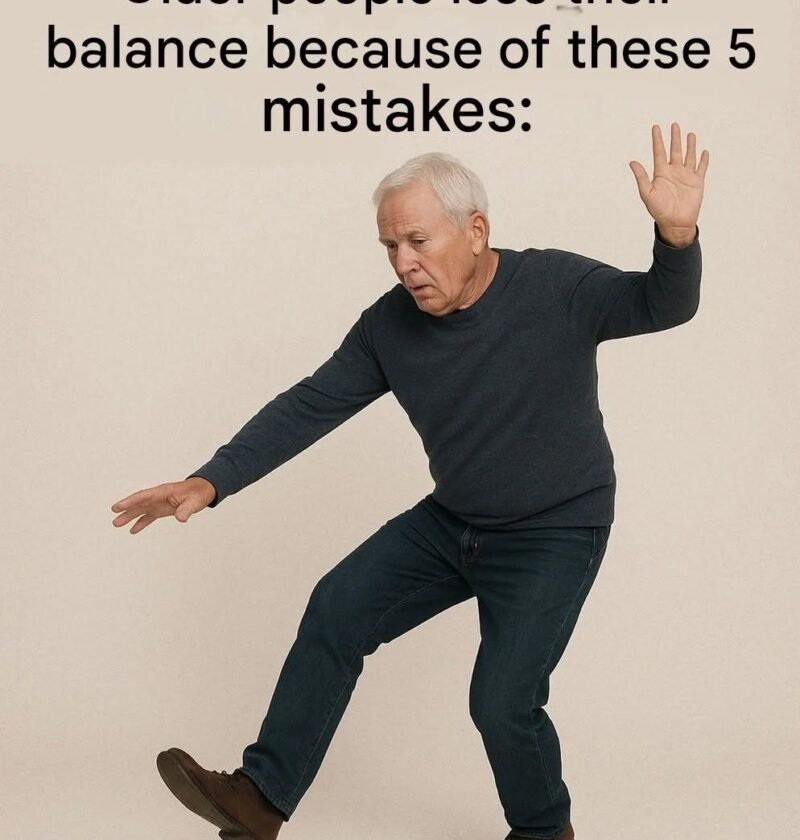
- Wearing unsafe footwear
Loose slippers, smooth soles, or shoes without adequate support can make slipping and instability more likely.
- Getting up too quickly
Standing suddenly can cause a temporary drop in blood pressure (orthostatic hypotension), leading to dizziness or unsteadiness.
- Poor lighting and clutter
Loose rugs, electrical cords, uneven flooring, and poorly lit stairs create avoidable trip hazards.
- Not staying physically active
Reduced activity can weaken the legs and impair strength, flexibility, and balance. Appropriate strength and balance exercises can help maintain mobility.
- Ignoring medication or health-related causes
Some medicines can cause dizziness or drowsiness. Vision problems, inner-ear disorders, low blood pressure, neuropathy, arthritis, and neurological conditions can also contribute to falls.
🚨 Don’t assume worsening balance is “just aging”
A new or rapidly worsening balance problem, especially with weakness, numbness, trouble speaking, severe headache, vision changes, or sudden dizziness, requires urgent medical assessment because these can be signs of a stroke or another serious condition.
For recurring unsteadiness or falls, a clinician or physical therapist can assess gait, strength, medications, vision, blood pressure, and balance and identify things that can be corrected.