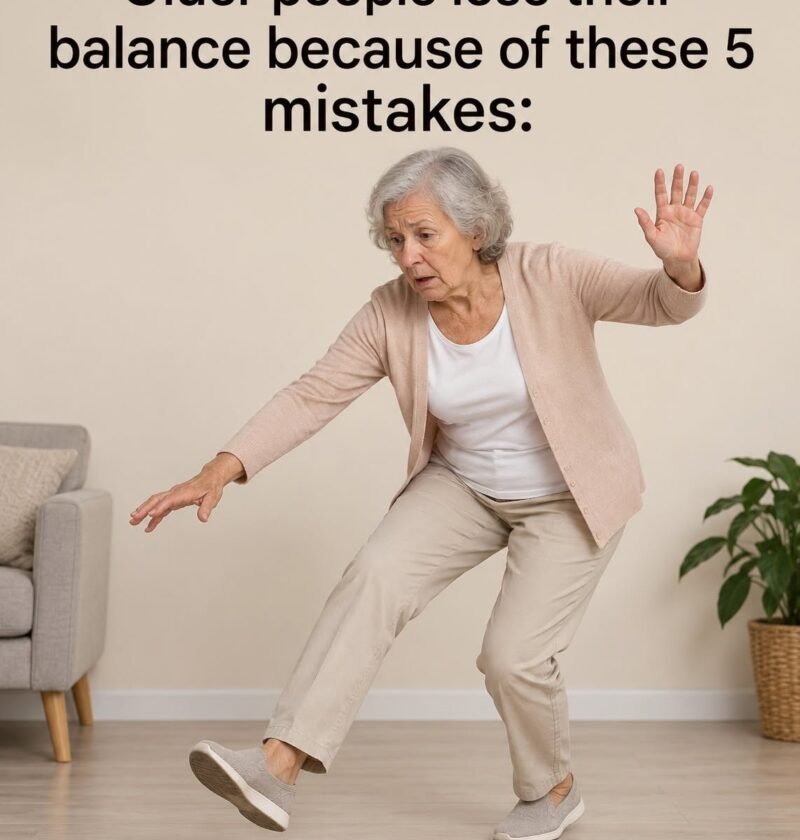
5 Common Mistakes That Can Affect Balance in Older Adults
Balance naturally can change with age, but frequent unsteadiness or falls shouldn’t simply be dismissed as part of getting older. Several everyday habits can increase fall risk.
1. 🚶 Avoiding strength and balance exercises
Not using your muscles regularly can lead to weakness and poorer balance. Simple exercises such as sit-to-stands, heel raises, and supported single-leg stands can help maintain strength and stability.
2. 👟 Wearing unsafe footwear
Loose slippers, smooth soles, or shoes without adequate support can make slipping or tripping more likely. Well-fitting shoes with good grip are generally safer.
3. 💊 Ignoring medication side effects
Some medicines can cause dizziness, drowsiness, or a drop in blood pressure, increasing fall risk. Ask a pharmacist or doctor to review your medicines rather than stopping them yourself.
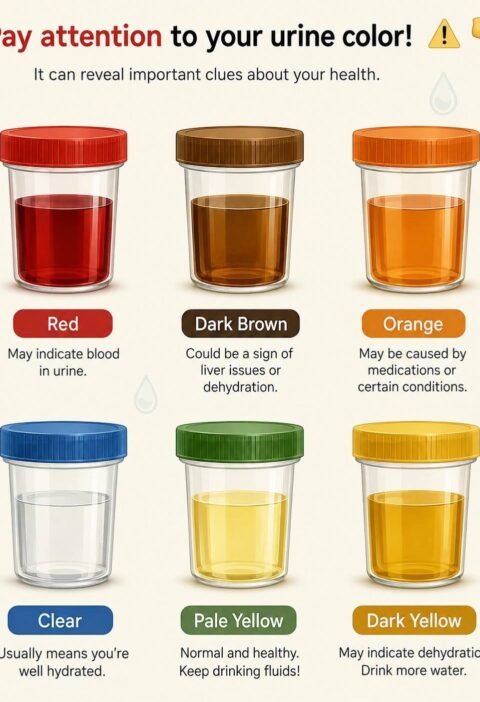
4. 💧 Becoming dehydrated
Not drinking enough can contribute to weakness and lightheadedness, particularly in hot weather or during illness. People with fluid restrictions should follow their clinician’s advice.
5. 🏠 Leaving trip hazards around the home
Loose rugs, electrical cords, clutter, poor lighting, and objects on stairs can turn a small loss of balance into a fall. Improving lighting and keeping walkways clear can make a meaningful difference.
Other factors matter too
Vision problems, inner-ear disorders, nerve problems, arthritis, low blood pressure, and certain neurological conditions can all affect balance.
If balance has suddenly worsened, or you’re having repeated falls, new weakness, numbness, severe dizziness, or difficulty speaking, seek medical attention promptly.
A physical therapist can also assess your balance and create exercises appropriate for your abilities and health conditions.