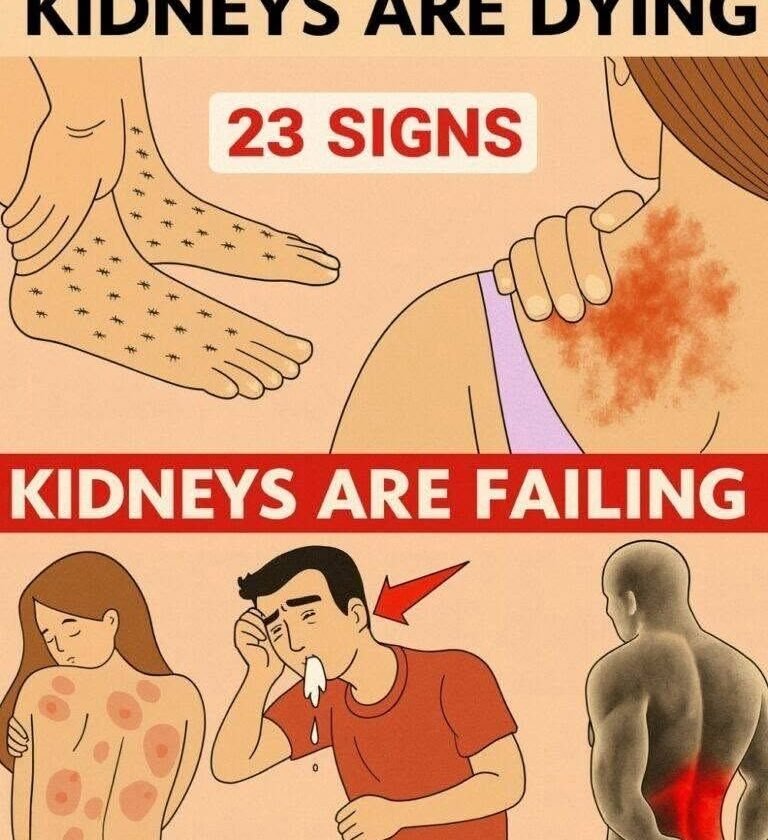
23 signs that may occur with kidney problems
A long viral checklist can be misleading because many kidney diseases cause few or no symptoms in their early stages. The only way to know how well your kidneys are functioning is through appropriate medical evaluation and blood/urine testing.
Some symptoms that can occur with kidney disease include:
-
Changes in how often you urinate
-
Urinating much more or less than usual
-
Foamy or unusually bubbly urine
-
Blood in the urine
-
Dark or unusually cloudy urine
-
Swelling around the ankles or feet
-
Swelling around the eyes, especially in the morning
-
Persistent fatigue or weakness
-
Nausea
-
Reduced appetite
-
Unexplained weight changes
-
Muscle cramps
-
Itching without an obvious skin cause
-
Dry or unusually itchy skin
-
Trouble concentrating
-
Headaches
-
Sleep problems
-
Shortness of breath, particularly when fluid accumulates
-
High blood pressure
-
Pain in the side or back, which can occur with certain kidney problems
-
Painful urination, particularly with a urinary infection
-
Fever or chills with urinary symptoms, which can indicate an infection involving the kidneys
-
Persistent metallic taste or ammonia-like breath in advanced kidney disease
Important: symptoms aren’t enough
Foamy urine, fatigue, swelling, or changes in urination don’t necessarily mean kidney disease. They can have many other causes.
If you have risk factors such as diabetes, high blood pressure, cardiovascular disease, or a family history of kidney disease, periodic kidney testing is particularly important. Common tests include blood creatinine/eGFR and urine albumin testing.
🚨 Seek urgent medical attention
Get prompt help for very little or no urine, severe flank pain with fever, blood in the urine with severe symptoms, severe swelling with breathing difficulty, or sudden confusion/marked weakness.
The key takeaway is that kidney disease can be silent, so waiting for 23 warning signs isn’t a reliable way to detect it.