Showing 5,036 Result(s)
Blog

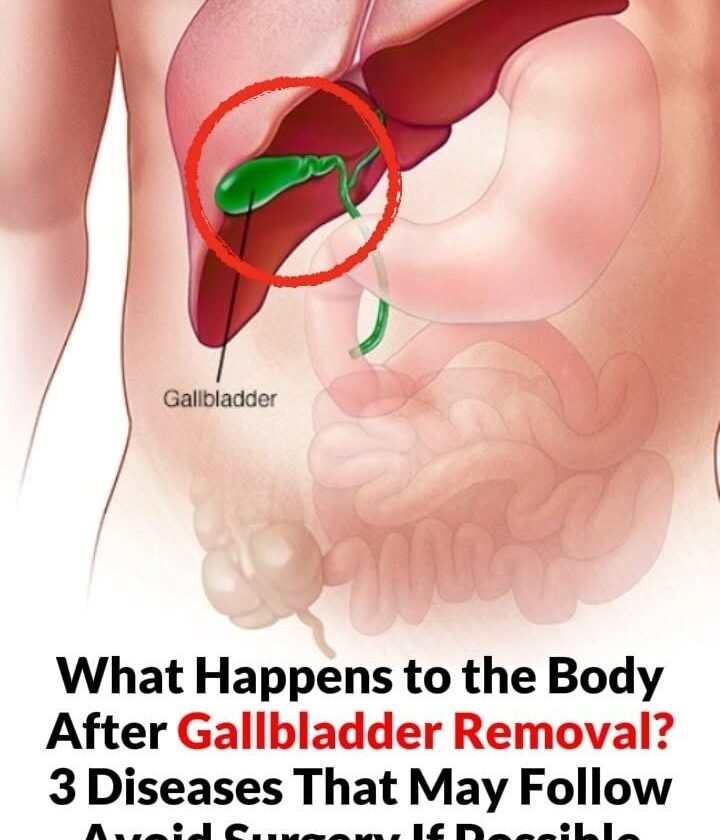
After Gallbladder Removal: 3 Conditions You Could Develop — Why You Should Avoid the Surgery When Possible

That headline is misleading. Gallbladder removal (cholecystectomy) is not a procedure people should generally “avoid when possible.” Whether surgery is appropriate depends on why the gallbladder is being removed. People with symptom-free gallstones often don’t need treatment, whereas recurrent symptomatic gallstones, acute cholecystitis, and certain complications are common reasons doctors recommend surgery. NIDDK+1 3 possible …

Blog

Just a teaspoon, suddenly the orchid miraculously blooms with lots of flowers

If you’re referring to the viral orchid-care claim “Just a teaspoon and your orchid suddenly blooms with lots of flowers,” there isn’t a magic teaspoon of household material that reliably makes an orchid produce abundant flowers. What actually encourages orchid blooming Bright, indirect light: Insufficient light is one of the most common reasons orchids produce …

Blog

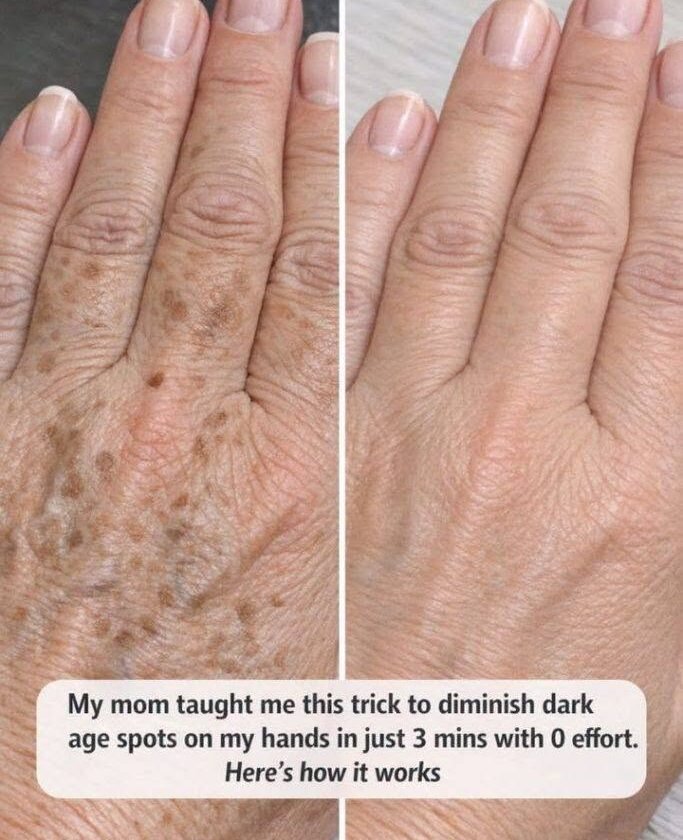
My mom taught me this trick to diminish dark age spots on my hands in just 3 mins with 0 effort. Here’s how it works

If you’re asking for the science behind this viral “3-minute trick,” there’s an important catch: age spots (solar lentigines) cannot realistically be removed in three minutes with a home remedy. A quick treatment may temporarily make them look less noticeable, but it doesn’t eliminate the underlying pigmentation. What actually helps fade age spots Daily sunscreen: …

Blog

Don’t Ignore Leg Cramps at Night. Here’s What You Should Know

Don’t Ignore Frequent Leg Cramps at Night: Here’s What to Know Nighttime leg cramps are sudden, involuntary muscle contractions—most often affecting the calf, foot, or thigh. They’re common, especially with increasing age, and usually aren’t a sign of a dangerous condition. But frequent or severe cramps can sometimes deserve medical attention. Common reasons Muscle fatigue …

Blog

Cholesterol: 5 symptoms that warn you it’s too high(1 / 2)

The important medical detail is that high cholesterol usually causes no symptoms. You generally cannot tell from how you feel that your cholesterol is high; a blood lipid test is needed. If you’re explaining the headline, five things sometimes incorrectly presented as “symptoms” are actually possible signs of complications from long-standing cholesterol-related atherosclerosis: Chest pressure …