Showing 5,214 Result(s)
Blog

Are your eyes getting worse, you’re gaining weight, you’re full of toxins? Here’s what you need to eat!

“Are your eyes getting worse, you’re gaining weight, you’re full of toxins? Here’s what you need to eat!” — What’s actually true? This headline combines several different health claims, and “full of toxins” is a red flag. Your body already has organs—including the liver and kidneys—that process and eliminate many waste products. There isn’t a …

Blog

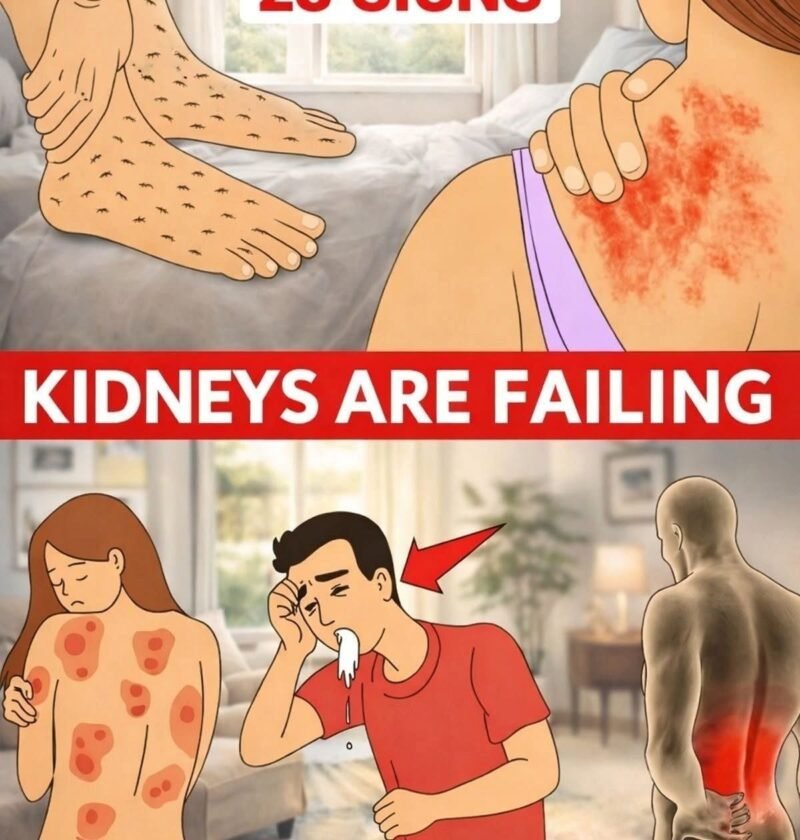
23 Strange Signs Your Kidneys Might Be in Trouble

23 Strange Signs Your Kidneys Might Be in Trouble” — What’s actually true? This headline is a little misleading because kidney disease often causes no symptoms in its early stages. You shouldn’t try to diagnose kidney problems from a long symptom checklist. Blood and urine testing is much more reliable. That said, possible warning signs—particularly …

Blog

7 powerful blood-thinning foods you need to know about

7 powerful blood-thinning foods” — what you should know The phrase “blood-thinning foods” is misleading. Foods don’t work like prescription anticoagulants, and there isn’t a medically established list of seven foods that can safely “thin your blood.” Some foods and supplements can influence platelet function or blood-clotting pathways, but the effects are generally much less …

Blog

I found this on the floor near my bedroom door… No one in my house knows where it came from, and honestly, I’ve never seen anything like it before. What do you think it is?

That looks very much like a household casebearer larva, commonly called a plaster bagworm (Phereoeca uterella). The identification from a photo isn’t 100% certain, but the distinctive fuzzy, spindle-shaped case with a brown larva protruding from one end is a strong match. 🐛 What you’re looking at It isn’t a worm or parasite. It’s the …

Blog

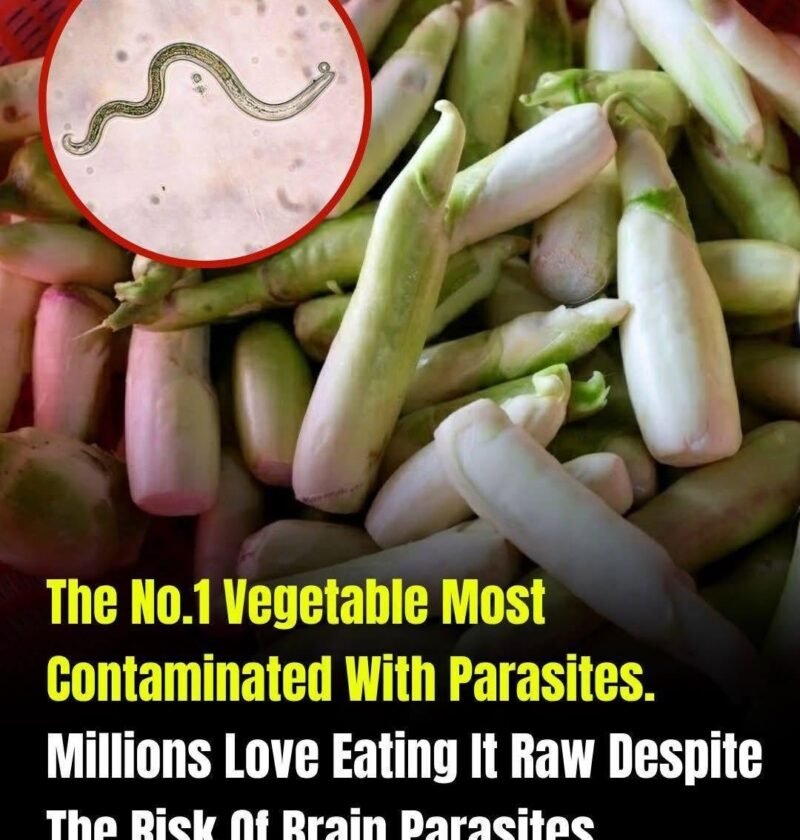
The Most Parasite-Contaminated Vegetable? Experts Warn About Hidden Risks

“The Most Parasite-Contaminated Vegetable?” — What’s Actually True There isn’t a scientifically established single vegetable that is always “the most contaminated with parasites.” Contamination depends on growing conditions, irrigation water, soil, handling, processing, and sanitation. However, raw leafy greens—such as lettuce and spinach—can be particularly vulnerable because their many folds and surfaces can trap contaminated …