Showing 5,609 Result(s)
Blog

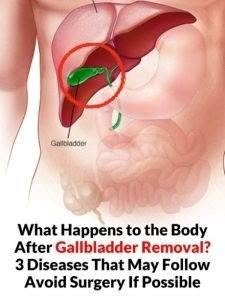
What Happens to the Body After Gallbladder Removal? 3 Diseases That May Follow – Avoid Surgery If Possible

The headline “3 diseases may follow gallbladder removal—avoid surgery if possible” is misleading. Gallbladder removal (cholecystectomy) is generally considered a common and safe operation, and for people with symptomatic or complicated gallstones, avoiding appropriate surgery can sometimes be more dangerous than having it. NIDDK+1 What happens after the gallbladder is removed? The gallbladder stores bile …

Blog

Eight pills you shouldn’t take because they damage your kidneys

That headline is too vague to be trusted without knowing which tablets it means. Some medicines really can increase the risk of blood clots or cardiovascular events, but the risk varies greatly by drug, dose, and the person’s health. For example, the FDA has issued prominent warnings about certain JAK-inhibitor medicines—including tofacitinib, baricitinib, and upadacitinib—because …

Blog

WARNING! THESE TABLETS CAN CAUSE BLOOD CLOTS, BLOOD THROMBOTS, AND HEART ATTACKS

That headline is too vague to be trusted without knowing which tablets it means. Some medicines really can increase the risk of blood clots or cardiovascular events, but the risk varies greatly by drug, dose, and the person’s health. For example, the FDA has issued prominent warnings about certain JAK-inhibitor medicines—including tofacitinib, baricitinib, and upadacitinib—because …

Blog

Who Is Most at Risk of Night Cramps?

If you mean nighttime leg cramps, some people are more likely to experience them than others. Who is most at risk? Older adults — Night cramps become more common with age. Pregnant women — Especially later in pregnancy. People who exercise heavily — Muscle overuse or prolonged activity can trigger cramps. People who stand or …

Blog

10 Important Side Effects of Metoprolol That You Need to Know

10 Important Side Effects of Metoprolol Metoprolol is a beta-blocker commonly used for high blood pressure, angina, certain heart-rhythm problems, and heart failure. Most side effects are mild, but some require medical attention. Slow heartbeat (bradycardia) — Your pulse may become slower than usual, sometimes causing weakness, dizziness, or fainting. Low blood pressure — This …