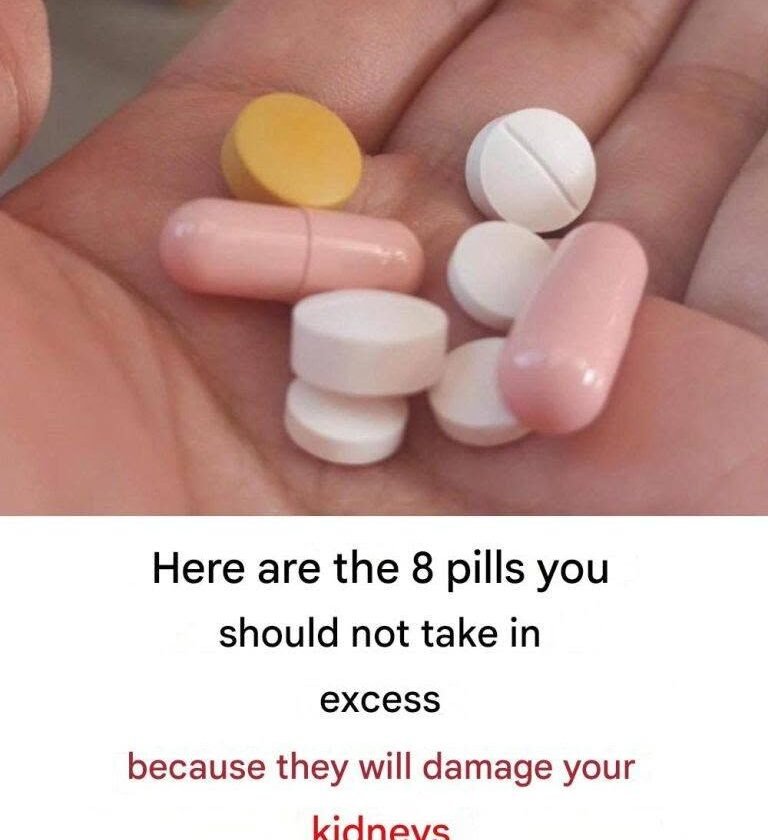
That headline is too vague to be trusted without knowing which tablets it means. Some medicines really can increase the risk of blood clots or cardiovascular events, but the risk varies greatly by drug, dose, and the person’s health.
For example, the FDA has issued prominent warnings about certain JAK-inhibitor medicines—including tofacitinib, baricitinib, and upadacitinib—because studies found increased risks of serious cardiovascular events such as heart attack or stroke, blood clots, and death in certain patients. U.S. Food and Drug Administration+1
Other medicines have very different risks. Aspirin, for example, can help prevent certain heart attacks and clot-related strokes in selected people, but it can also cause serious bleeding and shouldn’t be started routinely without medical advice. U.S. Food and Drug Administration
Don’t stop prescribed medication because of a viral warning
Stopping some cardiovascular medicines suddenly can itself be dangerous. The correct response is to identify the exact medication and discuss its risks and benefits with a doctor or pharmacist.
If you give me the name of the tablets (or send a photo of the package), I can explain whether they actually increase the risk of blood clots, thrombosis, heart attack, or stroke—and how significant that risk is.