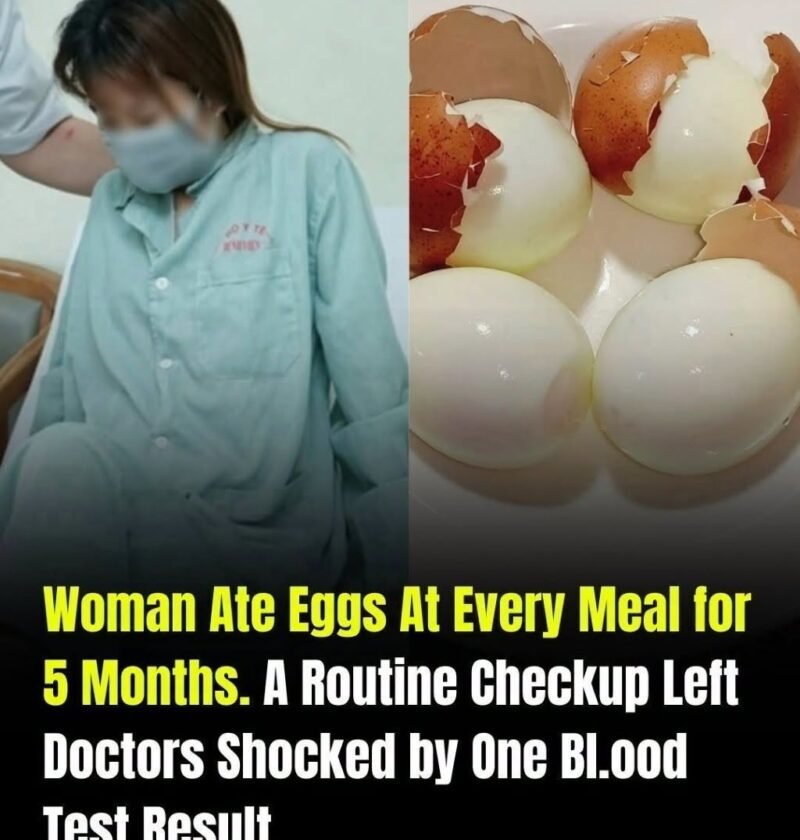
That classic, dramatic headline—***”Trying to Lose Weight, She Ate Eggs at Every Meal for 5 Months. Her Medical Checkup Left Doctors Stunned”***—is a textbook example of viral health clickbait. Articles using this exact formula love to take a wholesome, everyday food (like eggs), turn it into an extreme, monoculture “fad diet” experiment, and then tease a shocking medical twist. The goal is to make you wonder whether eggs are a miraculous fat-burning superfood or a hidden cholesterol time bomb. When you strip away the sensationalized storytelling and look at the actual nutritional science, what happens when someone eats eggs at every meal for months? — ### The Reality of an Egg-Heavy Diet Eggs are one of the most nutrient-dense foods on the planet. They are packed with high-quality protein, healthy fats, choline, and essential vitamins like B12, D, and A. However, eating *only* eggs at *every* meal creates a very specific physiological scenario: 1. **The Weight Loss Mechanism (Satiety and Calorie Deficit):** * *Why it works temporarily:* Protein is intensely satiating. It triggers the release of hormones that signal fullness to your brain and suppresses ghrelin (the hunger hormone). If someone replaces processed carbs and sugary snacks with eggs, they naturally drop their daily calorie intake and lose weight. * *The Catch:* This isn’t magic; it’s basic calorie restriction driven by extreme protein intake. 2. **The Nutrient Monoculture Risk:** * *The Problem:* While eggs are nutritional powerhouses, they lack certain essential nutrients—most notably **dietary fiber**, Vitamin C, and complex carbohydrates. Eating *only* eggs for months means missing out on the vital fiber needed for gut health, stable blood sugar, and healthy digestion. 3. **The Cholesterol Question (Shattering the Old Myth):** * *What the medical checkup usually shows:* Decades ago, clickbait would warn that this diet would skyrocket your cholesterol and cause a heart attack. Modern clinical research, however, has shown that for the vast majority of people, dietary cholesterol from eggs has a minimal impact on blood cholesterol. For most individuals, a checkup after a high-egg diet reveals stable lipid panels, provided they aren’t simultaneously consuming massive amounts of trans fats, processed meats, and refined sugars. (Though individuals with specific genetic predispositions, like familial hypercholesterolemia, do need to monitor egg consumption closely). — ### Why Extreme “Challenge Diets” Don’t Work Long-Term While the article probably ended with the doctor being “stunned” by dramatic weight loss or surprisingly normal blood work, extreme single-food diets are fundamentally flawed: * **Dietary Fatigue:** Eating the exact same food for every single meal quickly leads to burnout, making it nearly impossible to sustain. * **Nutritional Imbalance:** True health relies on dietary *diversity*—incorporating colorful vegetables, healthy whole grains, fiber, and varied micronutrients that no single food can provide on its own. ### The Bottom Line You don’t need to eat eggs at every meal to lose weight or stay healthy. Eggs are a fantastic, versatile addition to a balanced diet, but sustainable weight management comes from overall calorie awareness, adequate protein, fiber, and consistent lifestyle habits—not viral stunt diets. Are you exploring high-protein meals or looking into realistic ways to manage weight without falling for extreme fad diets?
That classic, dramatic headline—“Trying to Lose Weight, She Ate Eggs at Every Meal for 5 Months. Her Medical Checkup Left Doctors Stunned”—is a textbook example of viral health clickbait. Articles using this exact formula love to take a wholesome, everyday food (like eggs), turn it into an extreme, monoculture “fad diet” experiment, and then tease …