15 things to know about atorvastatin
-
Muscle aches or cramps — relatively common and often mild.
-
Muscle weakness — unexplained weakness should be reported, particularly if significant or persistent.
-
Rare severe muscle injury (rhabdomyolysis) — severe muscle pain/weakness with dark or reddish urine requires prompt medical attention because kidney injury can occur.
-
Rare autoimmune muscle disease — immune-mediated necrotizing myopathy can occasionally persist despite stopping the statin and requires medical evaluation.
-
Liver-enzyme elevations — blood tests can show increased liver enzymes, sometimes without symptoms.
-
Rare liver injury — yellow skin/eyes, unusually dark urine, or significant unexplained illness warrants medical assessment.
-
Digestive symptoms — nausea, indigestion, diarrhea, constipation, or gas can occur.
-
Headache or dizziness can occur.
-
Sleep problems have been reported.
-
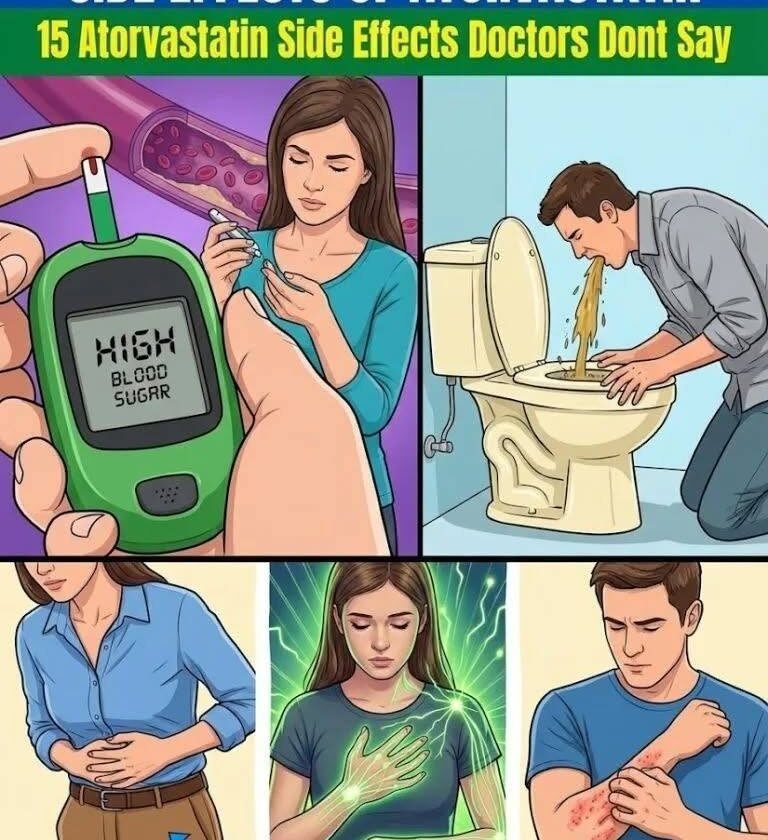
Blood sugar can rise slightly — atorvastatin labeling includes increases in fasting glucose and HbA1c. This does not mean people should stop a statin without medical advice; cardiovascular benefits often outweigh this risk.
-
Rare cognitive symptoms such as memory problems or confusion have been reported. Available evidence has not established that statins commonly cause permanent cognitive impairment.
-
Drug interactions can increase muscle toxicity. Certain antibiotics, antifungals, antivirals, transplant medicines, fibrates, colchicine, and other drugs can raise atorvastatin exposure or muscle risk.
-
Grapefruit can interact with atorvastatin. Large amounts of grapefruit or grapefruit juice can increase exposure; NHS guidance advises limiting grapefruit juice.
-
Older age increases susceptibility to muscle toxicity. The FDA specifically identifies age 65+ as a risk factor, along with kidney impairment, uncontrolled hypothyroidism, higher doses, and interacting medicines.
-
Rare additional reactions have been reported after marketing, including pancreatitis, peripheral neuropathy, tendon problems, severe allergic reactions, and certain skin reactions. These are uncommon and a reported association does not necessarily mean the drug caused every case.