Amlodipine (commonly known by its brand name, Norvasc) is a widely prescribed calcium channel blocker used to manage high blood pressure and coronary artery disease. While it is generally well-tolerated, it can cause a range of side effects ranging from mild annoyances to serious medical red flags.
Here are the key side effects of amlodipine categorized from common physical reactions to critical warnings you should never ignore:
The Most Common Side Effects
These effects stem directly from how amlodipine works—relaxing and widening your blood vessels:
-
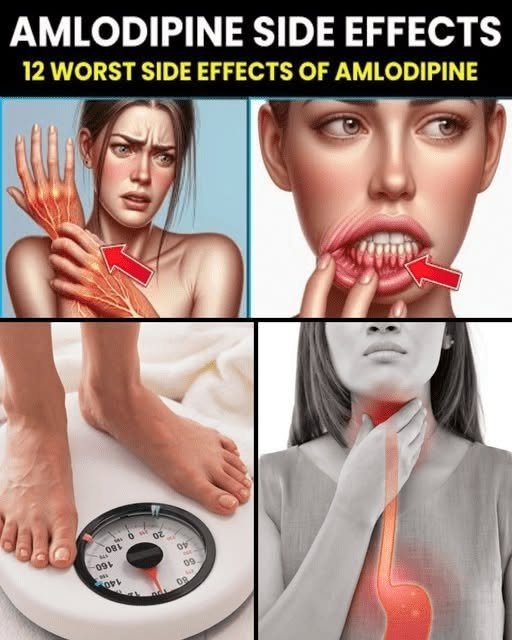
Peripheral Edema (Ankle and Leg Swelling): This is the most frequently reported side effect. Because blood vessels widen, fluid can leak into the tissues, commonly pooling in the feet, ankles, and lower legs.
-
Dizziness and Lightheadedness: As your blood pressure drops, you may feel woozy, especially when standing up too quickly (orthostatic hypotension).
-
Flushing and Sensations of Warmth: A sudden rush of blood to the face, neck, or chest can cause noticeable redness and warmth.
-
Fatigue and Drowsiness: Many people experience low energy or sleepiness, particularly during the first few weeks as the body adjusts to the medication.
-
Headaches: Resulting from the rapid dilation of blood vessels in the head.
Less Common and Long-Term Effects
-
Heart Palpitations: You might feel a fluttering, pounding, or racing heartbeat as your cardiovascular system adjusts.
-
Nausea and Stomach Discomfort: Mild gastrointestinal upset, abdominal pain, or occasional constipation can occur.
-
Gingival Hyperplasia (Gum Overgrowth): With long-term use, some patients experience tender, swollen, or bleeding gums, where gum tissue slowly thickens and grows over the teeth.
Critical Red Flags You Should NEVER Ignore
While serious side effects are less common, certain symptoms require immediate medical evaluation:
-
Worsening Chest Pain (Angina) or Heart Attack Symptoms: Paradoxically, starting amlodipine or increasing your dose can occasionally trigger severe chest pressure, tightness spreading to the arm or jaw, or shortness of breath.
-
Severe Hypotension (Dangerously Low Blood Pressure): Extreme dizziness, confusion, cold/clammy skin, or fainting spells mean your blood pressure has dropped too low.
-
Signs of Liver Problems (Hepatotoxicity): Unexplained upper-right stomach pain, persistent nausea, extreme fatigue, dark urine, or yellowing of the skin and eyes (jaundice) signal potential liver stress.
-
Severe Allergic Reactions (Anaphylaxis or Angioedema): Sudden swelling of the face, lips, tongue, or throat, alongside trouble breathing, widespread hives, or blistering skin, is a life-threatening medical emergency.
💡 Important Note: Never stop taking amlodipine or alter your dosage abruptly without consulting your prescribing doctor, as sudden discontinuation can cause a dangerous rebound spike in blood pressure.