12 Habits in Later Life That Others May Notice but Rarely Mention
Getting older doesn’t automatically make someone unpleasant or inconsiderate. But certain habits can become more noticeable with age, sometimes because of changes in hearing, mobility, oral health, or social routines.
-
Ignoring personal hygiene — infrequent bathing, changing clothes, or oral care can become noticeable.
-
Strong body odor — sweating, medications, skin changes, or difficulty washing can contribute.
-
Bad breath — often related to dry mouth, gum disease, dentures, or dental problems.
-
Not cleaning dentures properly — can cause odor and oral irritation.
-
Coughing or sneezing without covering your mouth — unpleasant for others and can spread respiratory infections.
-
Spitting in public — unhygienic and uncomfortable for people nearby.
-
Not washing hands regularly — particularly after using the bathroom or before preparing food.
-
Talking extremely loudly — sometimes caused by hearing loss rather than intentional behavior.
-
Interrupting conversations repeatedly — hearing difficulties, memory changes, or simply habit can contribute.
-
Leaving food or drink residue around the mouth — reduced vision, dental problems, or reduced facial sensation can make this harder to notice.
-
Wearing heavily soiled clothing repeatedly — sometimes reflects difficulty with laundry or dressing rather than unwillingness.
-
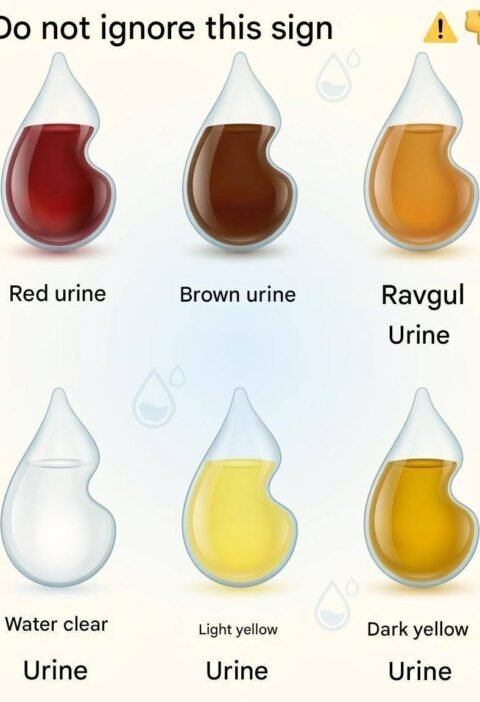
Ignoring persistent health or dental problems — untreated urinary, dental, skin, or other issues can sometimes produce odors or symptoms noticeable to others.
A kinder way to look at it
If someone suddenly develops poor hygiene, unusual odors, repetitive behavior, or difficulty managing everyday tasks, don’t assume they’re simply being careless. Arthritis, vision problems, depression, cognitive changes, medication effects, or difficulty accessing a bathroom or doing laundry can all play a role.
A respectful conversation—or quietly offering practical help—is usually more useful than embarrassment.
Bottom line: Nobody needs to be ashamed of normal aging. If a noticeable change is new or worsening, it may be worth asking whether there’s an underlying health or mobility issue that needs attention.