10 possible warning signs of blocked arteries
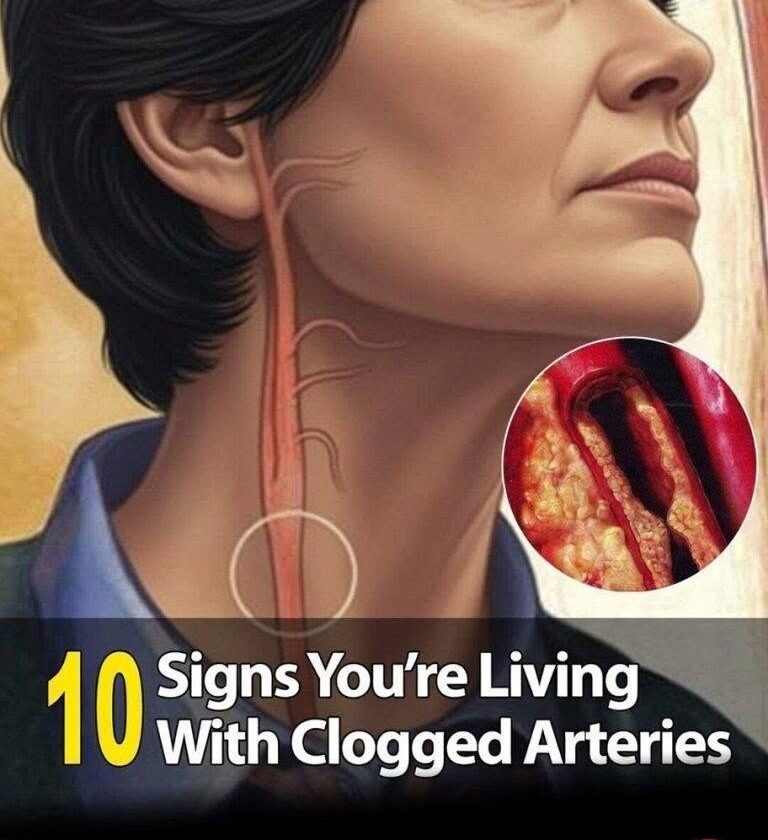
The phrase “blocked arteries” usually refers to atherosclerosis—plaque buildup that narrows arteries. Importantly, it can develop silently for years, and many people have no symptoms until blood flow is significantly reduced.
Ten symptoms that can warrant medical evaluation include:
Chest pressure or pain with exertion — particularly if it improves with rest; this can indicate reduced blood flow to the heart (angina).
Shortness of breath — especially during physical activity.
Unusual fatigue or reduced exercise tolerance — sometimes an early sign of cardiovascular disease.
Pain, aching, or cramping in the legs when walking — known as intermittent claudication and associated with peripheral artery disease (PAD).
Coldness in one foot or leg — particularly if noticeably different from the other side.
Numbness or weakness in a limb — reduced arterial blood flow can produce these symptoms.
Slow-healing wounds on the feet or legs — particularly important in people with diabetes or PAD.
Changes in skin color or appearance — pale, bluish, or shiny skin can occur with reduced circulation.
Erectile dysfunction — in some men, it can be an early marker of vascular disease.
Sudden neurological symptoms — sudden facial drooping, arm weakness, speech difficulty, or vision problems can indicate a stroke or transient ischemic attack.
🚨 Don’t wait with these symptoms
Chest pain/pressure, severe shortness of breath, sudden weakness or numbness, facial drooping, difficulty speaking, or sudden loss of vision are emergencies. Call your local emergency service rather than waiting for symptoms to pass.
One important correction
Symptoms don’t tell you exactly which artery is blocked, and having one of these symptoms doesn’t automatically mean you have a blockage. Similar symptoms can come from many other conditions.
If you’re concerned about your cardiovascular risk, doctors typically consider factors such as blood pressure, cholesterol, diabetes, smoking, family history, age, and kidney health, and may order additional tests when appropriate.
Bottom line: Atherosclerosis can be silent, so don’t rely on a “10 signs” checklist. Regular blood-pressure and cholesterol checks—and appropriate diabetes screening—are often more useful for detecting cardiovascular risk before symptoms develop.