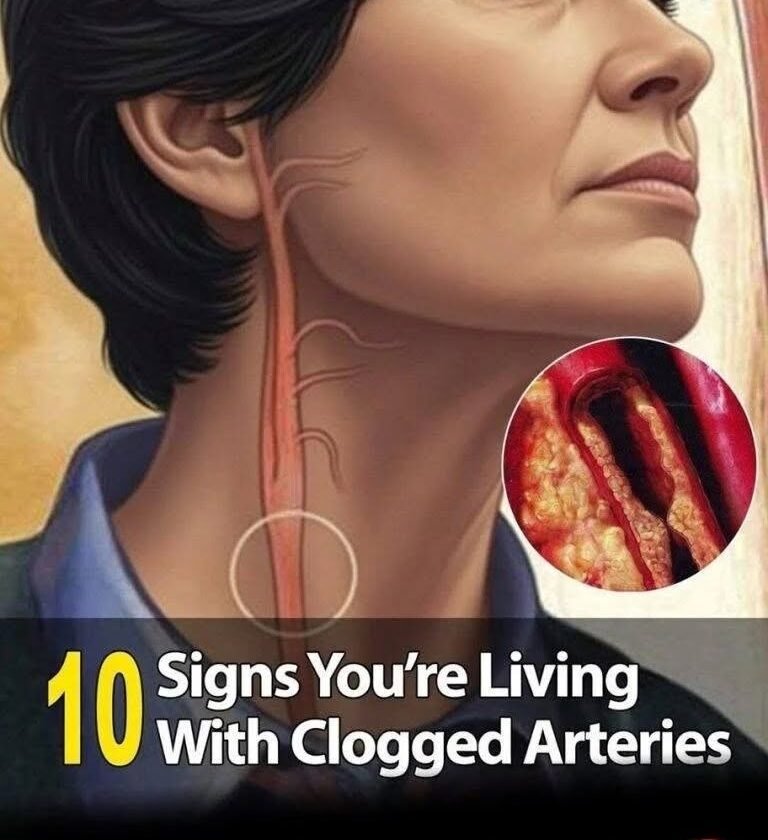
When we talk about cardiovascular health, one of the most critical silent threats is atherosclerosis—the gradual buildup of cholesterol, fat, and calcium (plaque) inside our arteries. Over time, this buildup narrows the pathways, making it harder for oxygen-rich blood to reach vital organs like the heart, brain, and legs.
Because arterial narrowing develops slowly over years, the body often whispers before it shouts. Recognizing these 10 early and progressive indicators of restricted blood flow can help you catch cardiovascular strain long before it turns into a medical emergency.
10 Warning Signs of Restricted Arterial Blood Flow
1. Intermittent Claudication (Leg Cramping During Walks)
-
What it feels like: A painful cramping, aching, or heavy fatigue in your calves, thighs, or buttocks that consistently kicks in when you walk a certain distance and disappears promptly when you rest.
-
Why it happens: This is a hallmark sign of Peripheral Artery Disease (PAD). Plaque buildup in the leg arteries restricts blood flow, starving working muscles of oxygen during exertion.
2. Angina (Chest Discomfort or Pressure)
-
What it feels like: A dull ache, tightness, pressure, or squeezing sensation behind the breastbone, often triggered by physical activity or emotional stress and relieved by rest.
-
Why it happens: The coronary arteries supplying the heart muscle are narrowed, failing to deliver enough blood when the heart works harder.
3. Unexplained Shortness of Breath
-
What it feels like: Feeling winded or struggling to catch your breath after routine activities—like climbing a single flight of stairs—that used to feel effortless.
-
Why it happens: If the heart cannot pump efficiently due to restricted coronary blood flow, blood backs up slightly into the lungs, creating a sensation of air hunger.
4. Cold Hands and Feet (Perineal Coldness)
-
What it feels like: Constantly having noticeably colder fingers or toes compared to the rest of your body, even in mild temperatures.
-
Why it happens: Microvascular restriction or narrowed major arteries limit the delivery of warm blood to the body’s furthest extremities.
5. Slow-Healing Sores or Wounds on Feet and Legs
-
What it feels like: Minor cuts, scrapes, or bruises on your lower legs or feet that take weeks or months to heal properly.
-
Why it happens: White blood cells, oxygen, and nutrients delivered via the bloodstream are essential for tissue repair. Restricted arterial flow starves the skin of these repair tools.
6. Diminished Pulse in the Feet
-
What it feels like: When checking your pulse on top of your foot or at your ankle, it feels exceptionally faint or is difficult to locate.
-
Why it happens: Reduced pressure and volume of blood passing through heavily narrowed peripheral arteries.
7. Brain Fog, Dizziness, or Fleeting Confusion
-
What it feels like: Brief spells of lightheadedness, temporary memory slips, or sudden mental fatigue.
-
Why it happens: The carotid arteries in the neck supply the brain with blood. Partial restrictions can temporarily reduce cerebral oxygenation.
8. Erectile Dysfunction (ED)
-
What it feels like: Persistent difficulty achieving or maintaining an erection.
-
Why it happens: The arteries supplying the pelvic region are significantly smaller in diameter than coronary arteries, meaning ED is frequently one of the earliest physical warning signs of generalized systemic vascular disease.
9. Hair Loss and Shin Changes on the Lower Legs
-
What it feels like: Noticeable thinning or complete loss of hair on the lower shins and calves, paired with skin that appears shiny, taut, or slightly pale.
-
Why it happens: Chronic lack of adequate blood supply alters skin and hair follicle nutrition over time.
10. Fatigue and Generalized Weakness
-
What it feels like: A profound, unshakeable physical exhaustion that stems from the body’s cells receiving suboptimal oxygen and nutrient delivery throughout the day.
Protecting Your Arteries: The Long-Game Approach
Arterial health isn’t about quick fixes; it is about preserving the flexibility and cleanliness of your vascular pathways through consistent daily habits:
-
Prioritize Nitrate-Rich Foods: Incorporating leafy greens and beetroot juice supports natural nitric oxide production, keeping blood vessels relaxed and dilated.
-
Keep Moving: Regular, brisk walking stimulates collateral blood vessel growth (angiogenesis), helping blood find alternative pathways around minor blockages.
-
Manage Inflammation: Eating an antioxidant-rich diet minimizes the oxidative stress that turns circulating cholesterol into hardened arterial plaque.
Disclaimer: If you experience sudden, severe chest pain, crushing pressure, radiating pain down your left arm or jaw, or sudden neurological deficits, call emergency services immediately.