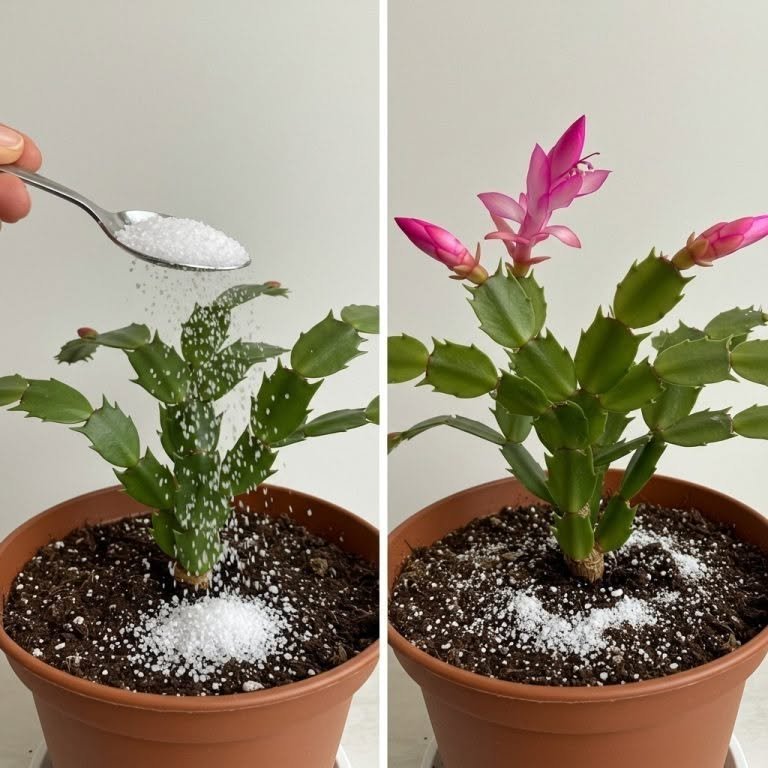
As the crisp air of autumn rolls in and the days grow shorter, outdoor plants begin their winter slumber. However, indoor houseplants often experience a confusing transition. Placed between the sudden chill of window glass and the dry, artificial warmth of indoor heating, houseplants can quickly look tired, dusty, and sluggish as autumn sets in.
While gardening blogs love to tease “little secrets” and magical kitchen tonics, reviving and awakening indoor plants for the cooler months relies on simple, plant-science-backed care adjustments that mimic nature’s seasonal rhythms.
Why Houseplants Struggle in Autumn
When the seasons shift, indoor conditions change dramatically in ways we often don’t notice:
-
The Light Drop: The angle of the sun shifts, and windows receive significantly fewer hours of direct, intense sunlight. Photosynthesis slows down, meaning your plants need less water and fewer nutrients.
-
Dry Heating Air: Turning on central heating drops indoor humidity sharply. Tropical plants (like ferns, calatheas, and monsteras) suffer in dry air, leading to brown tips and dropped leaves.
-
The Dormancy Cue: Many indoor plants naturally slow their growth down between October and February. Pushing them to grow with heavy summer fertilizers during this time can actually burn their roots.
3 Steps to “Awaken” and Protect Your Indoor Plants This Fall
1. Dust Off the Solar Panels (Clean the Leaves)
-
What to do: Take a damp, soft microfiber cloth and gently wipe down the leaves of your large-foliage plants (like fiddle-leaf figs, monsteras, and pothos).
-
Why it works: Indoor dust settles quickly on leaves when windows are closed in the fall. A thick layer of dust acts like a mini-sunglass filter, blocking the already-weakened autumn sunlight and suffocating the plant’s pores (stomata).
2. Adjust Your Watering Rhythm
-
What to do: Because indoor temperatures stay warm while light decreases, plants drink less water than they did in July. Always check the top 2 inches of soil with your finger before watering. If it still feels damp, wait a few days.
-
Why it works: Overwatering is the #1 killer of houseplants in autumn and winter. Slower evaporation rates mean wet soil sits around roots longer, leading to root rot.
3. The Gentle Autumn Tonic (Instead of Heavy Feeding)
Instead of commercial chemical fertilizers, which can shock resting roots, many plant lovers use gentle, natural kitchen-derived rinses to revitalize soil microbiology:
-
The Banana Peel Tea (Potassium Boost): Soaking chopped banana peels in water for 24 to 48 hours creates a mild, potassium-rich liquid fertilizer that supports root strength and cell wall resilience as plants head into cooler months. (Use sparingly, about once a month).
-
Diluted Epsom Salt (Magnesium Boost): Dissolving a teaspoon of plain Epsom salt in a gallon of water provides a gentle magnesium and sulfur boost, helping chlorophyll production and keeping leaves a vibrant, healthy green.
A Simple Rule for Autumn Plant Care
Fall isn’t a time for aggressive growth; it’s a season of consolidation and protection. By cleaning their leaves, backing off on heavy watering, and shifting them slightly closer to your brightest windows, you’ll help your indoor green family breeze right through the colder months.