10 Possible Warning Signs of Blocked Arteries You Shouldn’t Ignore
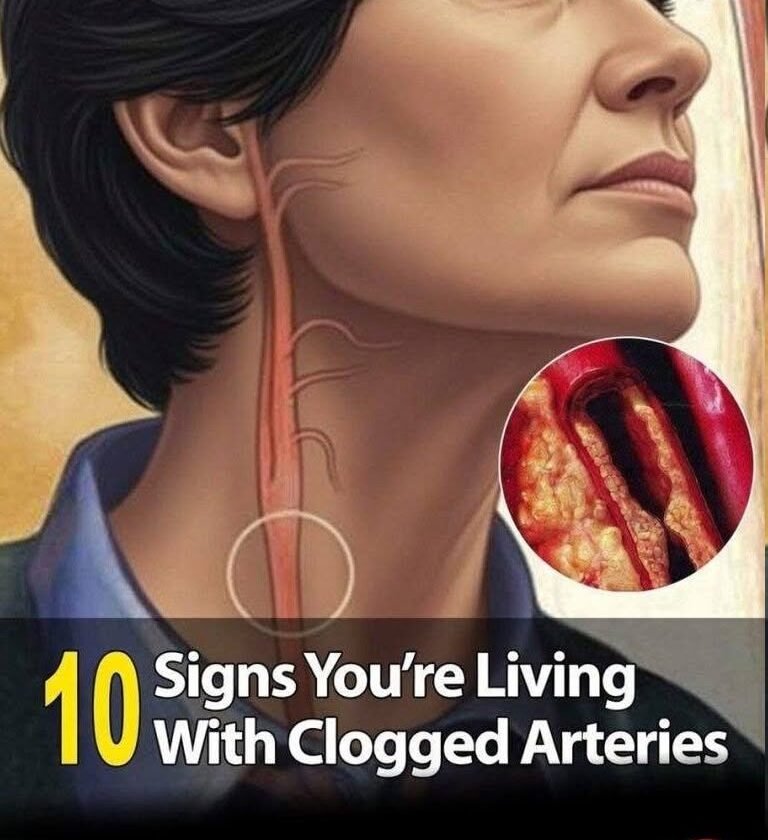
“Blocked arteries” usually refers to atherosclerosis, in which plaque builds up inside arteries. Importantly, atherosclerosis can develop for years without obvious symptoms, and symptoms depend on which arteries are affected.
Here are 10 signs that can sometimes indicate reduced blood flow:
-
Chest pressure or discomfort — Especially with exertion, it may indicate reduced blood flow to the heart (angina).
-
Shortness of breath — Particularly when it occurs during activity or alongside chest discomfort.
-
Pain spreading to the arm, shoulder, jaw, neck, or back — This can accompany heart-related reduced blood flow.
-
Leg pain when walking — Calf, thigh, or buttock pain that repeatedly appears with walking and improves after resting can occur with peripheral artery disease.
-
Cold feet or legs — Reduced arterial circulation can cause an affected limb to feel unusually cold.
-
Numbness or weakness in a leg or foot — Poor circulation can sometimes produce these symptoms.
-
Slow-healing sores on the feet or legs — Reduced blood flow can make wounds harder to heal.
-
Skin color changes — A foot or leg may become unusually pale, bluish, or reddish depending on the underlying circulation problem.
-
A weak pulse in the feet — This is something a healthcare professional can assess during an examination.
-
Erectile dysfunction — In some men, reduced blood flow associated with vascular disease can contribute to erectile dysfunction.
🚨 Don’t wait with emergency symptoms
Call your local emergency service immediately if you develop new or severe chest pressure/pain, especially with sweating, nausea, shortness of breath, fainting, or pain in the arm, jaw, or back. Likewise, sudden weakness, numbness, trouble speaking, or loss of vision can indicate a stroke and requires emergency treatment.
These symptoms do not prove that an artery is blocked. Many have other causes, and some people with significant arterial disease have few or no symptoms. A healthcare professional can assess cardiovascular risk and determine whether tests are appropriate.