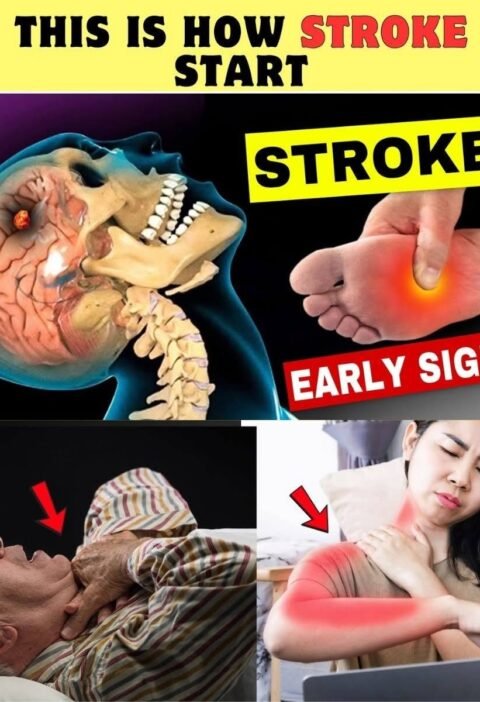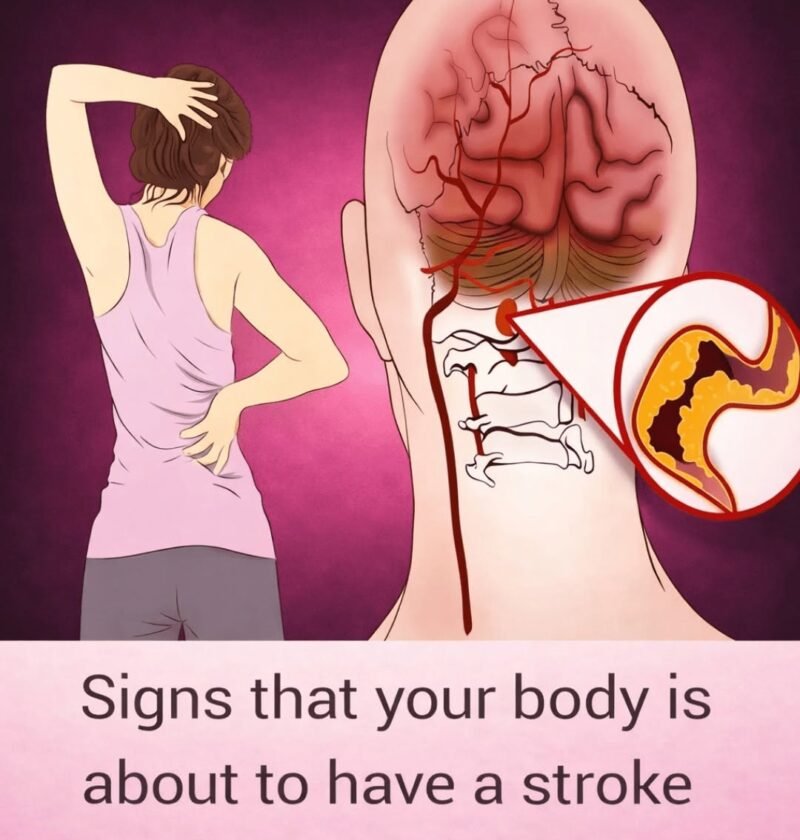
10 Early Warning Signs of a Stroke Everyone Should Know
A stroke usually begins suddenly. Knowing the warning signs can help you recognize an emergency and get treatment quickly. The American Stroke Association recommends remembering B.E. F.A.S.T.
W
www.stroke.org
+1
Sudden loss of balance — unexpected dizziness, difficulty walking, or loss of coordination.
Sudden vision changes — blurred, double, or lost vision in one or both eyes.
Facial drooping or numbness — particularly on one side; ask the person to smile.
Arm weakness or numbness — especially on one side; one arm may drift downward when both are raised.
Speech difficulty — slurred speech, inability to speak normally, or difficulty understanding others.
Sudden weakness or numbness — involving the face, arm, or leg, particularly on one side.
Sudden confusion — difficulty understanding, thinking, or communicating.
Sudden trouble walking — especially when accompanied by dizziness or coordination problems.
Sudden severe headache — particularly a severe headache with no known cause.
Symptoms that disappear after a short time — this can be a TIA (transient ischemic attack), sometimes called a warning stroke. It still requires urgent medical assessment.
W
www.stroke.org
+1
🚨 Remember: B.E. F.A.S.T.
B — Balance loss
E — Eye/vision changes
F — Face drooping
A — Arm weakness
S — Speech difficulty
T — Time to call emergency services
Don’t wait to see if the symptoms improve. If you or someone else develops one or more of these symptoms, call your local emergency number immediately and note the time the symptoms started. Even if symptoms disappear, urgent evaluation is important because a TIA can precede a major stroke.
W
www.stroke.org
+1
The key message is simple: stroke is an emergency, and every minute matters.
W
www.stroke.org
W
Sources