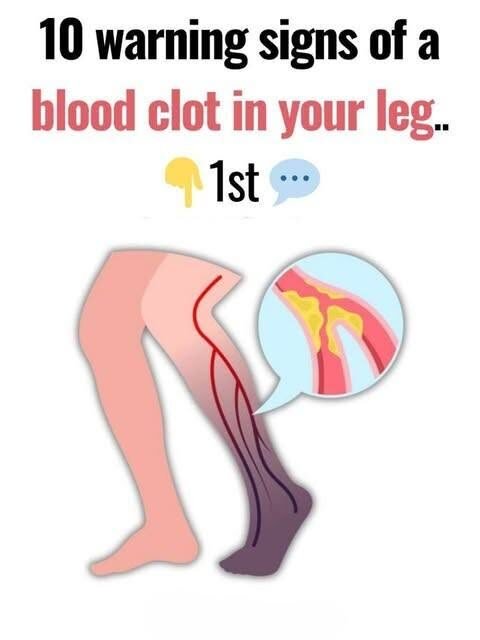
Night cramps—especially nocturnal leg cramps in the calves, feet, or thighs—can happen to anyone, but certain people are more likely to experience them.
Who is most at risk?
-
Older adults: Risk rises with age, and cramps become particularly common after 60. OUP Academic+1
-
Pregnant women: Pregnancy increases the likelihood of nighttime leg cramps. Mayo Clinic+1
-
People who are dehydrated or have electrolyte abnormalities: Low or abnormal levels of potassium, calcium, magnesium, or sodium can contribute to muscle cramps. MedlinePlus
-
People with certain medical conditions: Kidney disease, diabetes-related nerve damage, circulation problems, thyroid disorders, and some neurological conditions can be associated with cramps. Mayo Clinic+1
-
People taking certain medicines: Diuretics (“water pills”) and some inhaled long-acting beta-agonists are associated with increased risk; other medicines, including some statins, have also been reported. OUP Academic
-
People who overuse or strain their muscles: Heavy exercise or prolonged muscle use can trigger cramps. MedlinePlus
-
People with poor sleep or other health problems: Studies have found associations between frequent nocturnal cramps and sleep disturbances, arthritis, higher BMI, and several chronic health conditions. PubMed Central (PMC)+1
Importantly, most nighttime leg cramps don’t have one identifiable cause. Mayo Clinic
If cramps are frequent, severe, new, or regularly waking you from sleep, it’s worth discussing them with a healthcare professional, particularly if you also have leg swelling, weakness, numbness, or changes in skin color.