What to Do If You Start Seeing Eye Floaters: An Eye Doctor’s Guide
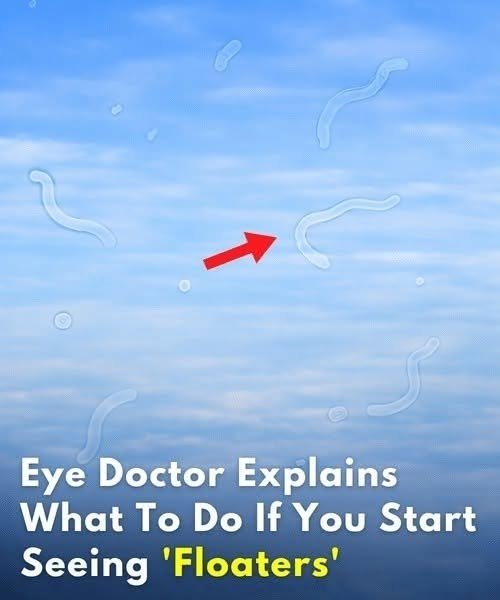
Eye floaters are small spots, specks, threads, or cobweb-like shapes that seem to drift through your vision. They’re often caused by normal changes in the eye’s vitreous gel and become more common with age.
When floaters are usually less concerning
If you’ve had a few stable floaters for a long time and your vision is otherwise normal, they often don’t require urgent treatment. Your brain may also gradually become less aware of them.
When you should act quickly
A sudden increase in floaters can sometimes occur when the vitreous pulls away from the retina. Occasionally, this can cause a retinal tear or retinal detachment, which can threaten vision.
Seek urgent eye-care assessment, floaters don’t need treatment. If an eye examination finds a retinal tear, it can often be treated to reduce the risk of progressing to retinal detachment. Persistent floaters that significantly interfere with vision can occasionally be treated, particularly if you suddenly develop:
-
A large number of new floaters
-
Flashes of light
-
A dark curtain, veil, or shadow moving across your vision
-
A missing or blurry area of peripheral vision
-
Sudden loss or significant reduction of vision
Don’t wait for these symptoms to disappear on their own.
Who should be especially cautious?
Prompt evaluation is particularly important if you have a history of retinal problems, significant eye injury or surgery, severe nearsightedness, or diabetes, because some of these factors increase the risk of retinal complications