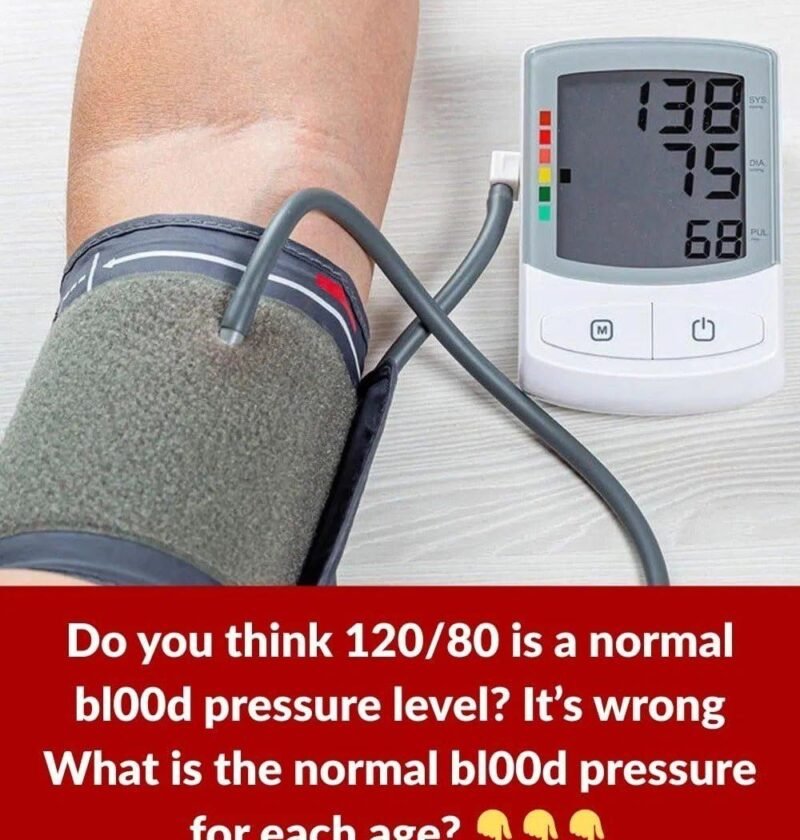
What is normal blood pressure at different ages?
A common misconception is that there is a different “normal” blood pressure for every adult age. For adults, current guidelines use the same basic categories regardless of age.—their blood pressure is interpreted according to age, sex, and height. professional.heart.org+1
| Age | Normal/healthy BP |
|---|---|
| Children | Depends on age, sex, and height |
| 13–17 years | Below 120/80 mmHg |
| 18–39 years | Below 120/80 mmHg |
| 40–59 years | Below 120/80 mmHg |
| 60–79 years | Below 120/80 mmHg |
| 80+ years | Below 120/80 mmHg |
Adult blood-pressure categories
-
Normal: <120 / <80
-
Elevated: 120–129 / <80
-
Stage 1 hypertension: 130–139 or 80–89
-
Stage 2 hypertension: ≥140 or ≥90
-
Severe: >180 and/or >120 mmHg www.heart.org
One reading isn’t usually enough to diagnose hypertension. Measurements should be taken correctly and interpreted over repeated readings by a healthcare professional.
🚨 When it’s an emergency
If your blood pressure is over 180/120 mmHg, repeat the measurement after a short rest. If it remains that high, contact a healthcare professional promptly. If it’s accompanied by chest pain, shortness of breath, weakness/numbness, vision changes, severe headache, or difficulty speaking, seek emergency medical care. www.heart.org+1
For children under 13, adult numbers shouldn’t be used as a simple cutoff—their blood pressure is interpreted according to age, sex, and height. American Academy of Pediatrics
American Heart Association: Understanding Blood Pressure Readings