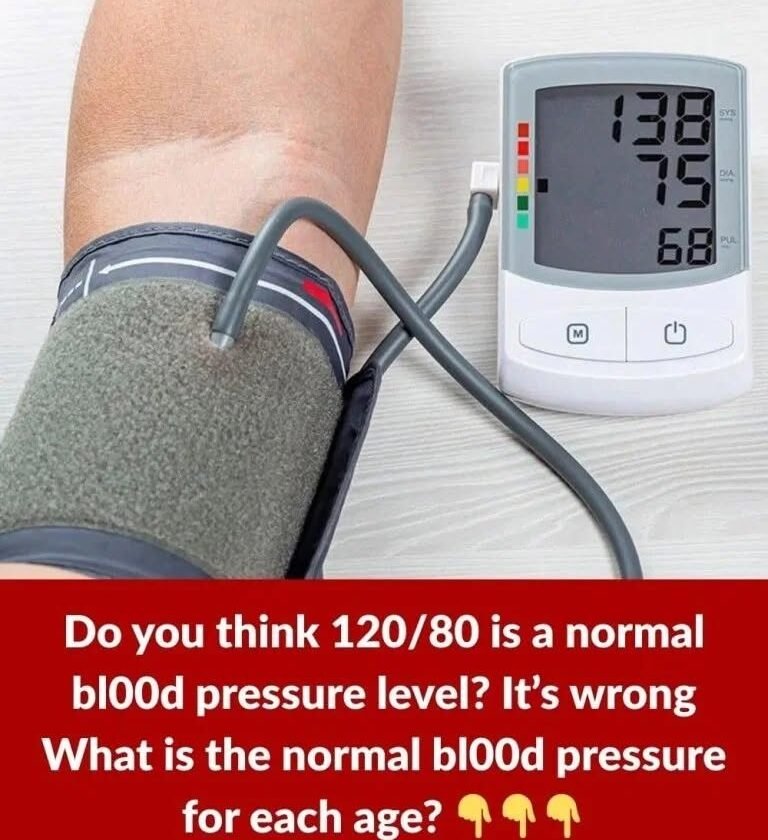
What Is a Normal Blood Pressure at Different Ages?
There isn’t one exact “normal” blood pressure for every age. For adults, the usual healthy target is generally below 120/80 mmHg regardless of age. In children, interpretation is different and depends on age, sex, and height. (AAP Publications)
🩺 Quick guide
| Age | General interpretation |
|---|---|
| 1–12 years | Normal is below the 90th percentile for age, sex, and height |
| 13 years and older | Below 120/80 mmHg is normal |
| Adults | Below 120/80 mmHg is normal |
| Older adults | There isn’t a separate “normal” number simply because someone is older |
For adults, a reading of 120–129 systolic with diastolic below 80 is considered elevated, while 130/80 or higher falls into a hypertension category. (AAP Publications)
⚠️ One reading isn’t enough
Blood pressure naturally fluctuates with exercise, stress, caffeine, pain, illness, and even how you are sitting. A diagnosis of hypertension generally requires repeated properly measured readings, rather than one unusually high measurement.
If you tell me your age and your blood-pressure reading (for example, 145/85), I can explain whether it is considered normal, elevated, or high and what the numbers mean.