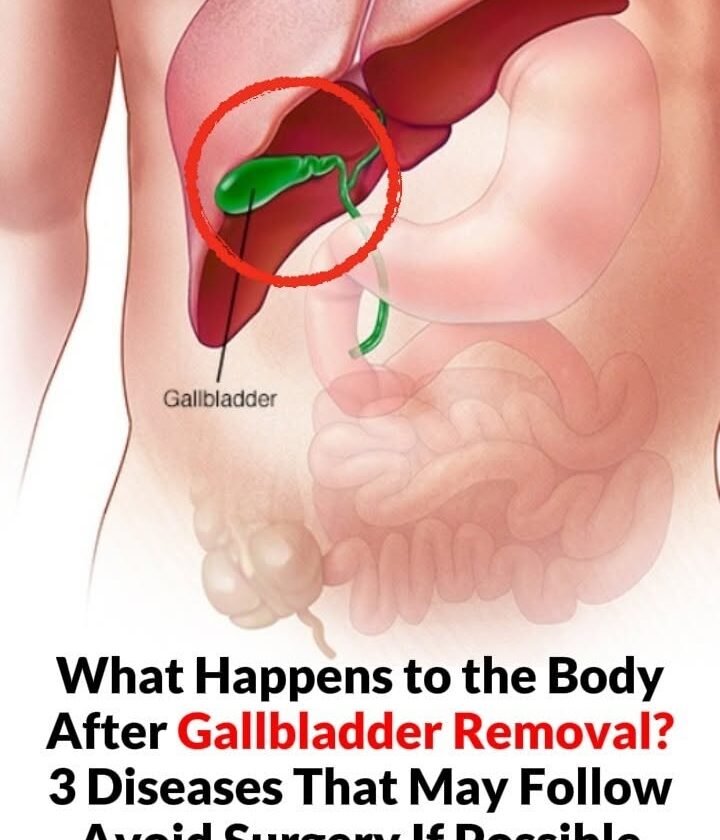
After removal, bile flows continuously from the liver into the intestine instead of being stored in the gallbladder. Some people experience temporary diarrhea, bloating, or difficulty tolerating large amounts of fatty food. Persistent diarrhea can sometimes be related to bile-acid diarrhea, which can be treated. Mayo Clinic+1
The operation does carry genuine risks, including infection, bleeding, bile leakage, and injury to the bile ducts, but these complications are uncommon. Mayo Clinic+1
Most importantly, “avoid surgery if possible” isn’t appropriate advice for everyone. People with symptomatic gallstones or complications such as gallbladder inflammation, bile-duct obstruction, or gallstone pancreatitis may need surgery because untreated gallstones can lead to serious complications. NIDDK+1
A more medically responsible headline would be:
“What Happens After Gallbladder Removal? Common Digestive Changes, Possible Complications, and When Surgery Is Necessary”