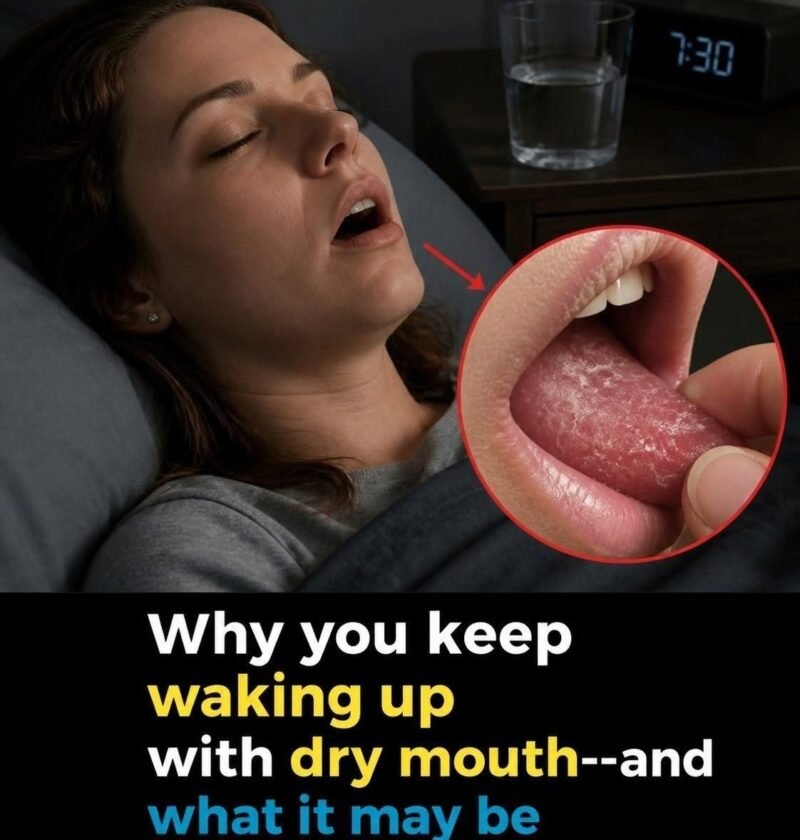
Waking up with a parched, sticky mouth can range from a minor annoyance to a signal that something is off with your environment, habits, or health. While your body naturally slows down saliva production while you sleep, waking up feeling like you’ve been chewing on cotton usually points to a few common culprits.
What Your Body Might Be Telling You
-
“I’m breathing through my mouth.”By far the most common cause of morning dry mouth is mouth breathing. If your nasal passages are blocked due to allergies, a deviated septum, a cold, or sleep apnea, you default to breathing through your mouth all night. The continuous airflow evaporates whatever saliva is present, leaving your mouth and lips deeply dried out.
-
“You’re dehydrated or your environment is too dry.”Going 7 to 8 hours without water can trigger mild dryness, which is amplified if you didn’t drink enough fluids throughout the previous day. Additionally, sleeping in a bedroom with heavy heating, air conditioning, or low indoor humidity strips moisture right out of the air you breathe.
-
“Check your evening habits (alcohol, caffeine, or smoking).”Having a glass of wine, a late-night caffeinated beverage, or smoking tobacco close to bedtime heavily contributes to morning dryness. Alcohol and caffeine act as diuretics (leading to overall dehydration) and can worsen snoring or mouth breathing, while tobacco directly irritates the salivary glands.
-
“Your medication is doing its job—too well.”Hundreds of common medications list dry mouth (xerostomia) as a side effect. This includes antihistamines, decongestants, blood pressure medications, muscle relaxants, and certain anti-anxiety drugs or antidepressants.
-
“There might be an underlying health flag.”Persistent, chronic dry mouth can occasionally point to systemic conditions like poorly managed diabetes, autoimmune disorders (such as Sjögren’s syndrome), or sleep-disordered breathing like obstructive sleep apnea.
Practical Ways to Find Relief
-
Set up a bedside humidifier: Adding moisture back into your bedroom air (especially during winter or in dry climates) prevents your airways and mucous membranes from drying out overnight.
-
Keep water close: Keep a glass of water on your nightstand to take small sips if you wake up parched.
-
Review your medication timing: If you take prescription drugs that cause dry mouth, talk to your doctor or pharmacist about whether you can safely take them in the morning instead of right before bed.
-
Prioritize nasal breathing: If congestion is forcing you to mouth-breathe, consider addressing seasonal allergies, using a saline nasal spray, or speaking with a doctor if you suspect snoring or sleep apnea.
-
Protect your oral health: Saliva is your mouth’s natural defense against tooth decay and bacteria. Because chronic dry mouth increases your risk of cavities, maintain a strict brushing and flossing routine, and consider using an alcohol-free, hydrating mouthwash.
When to see a doctor: If waking up with a dry mouth is a daily occurrence that doesn’t improve with hydration or environmental adjustments—or if it is accompanied by chronic snoring, extreme daytime fatigue, morning headaches, or difficulty swallowing—it is worth scheduling a visit with your primary care doctor or dentist to rule out underlying issues.
Do you notice any other symptoms when you wake up, like a sore throat, congestion, or snoring?