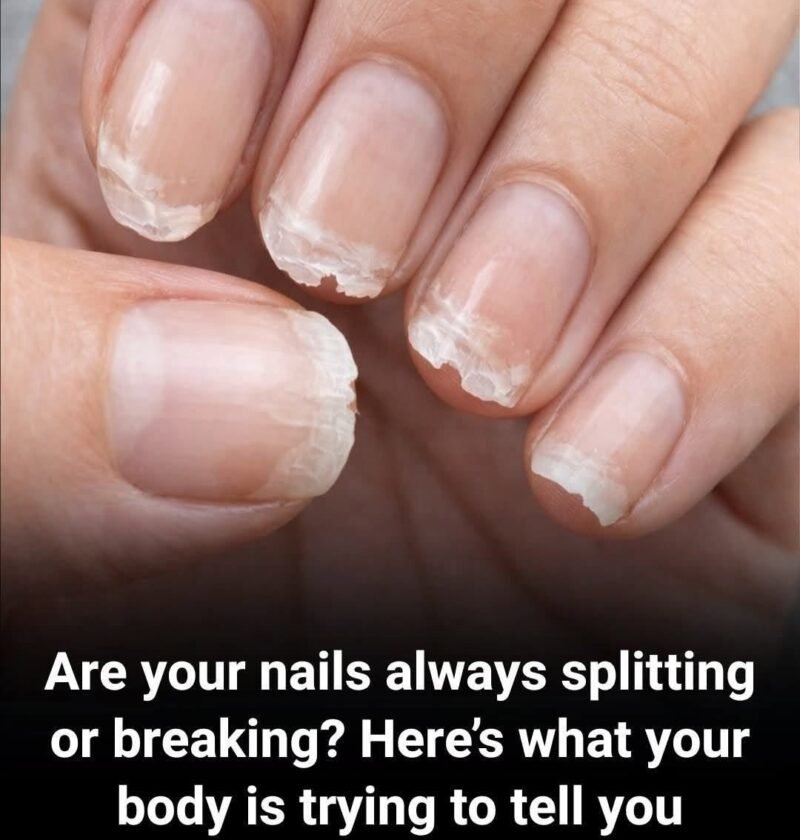
Headlines asking “Weak or Brittle Nails: What Your Body Is Trying to Tell You” often imply a hidden internal disease, yet 90% of brittle, peeling, or splitting nails are caused by external wear and tear rather than an internal medical problem. Only when brittle nails appear alongside other physical changes—or affect toenails as well as fingernails—do they typically point to a nutritional deficiency, thyroid issue, or skin condition.
1. The Most Common Cause: Everyday Moisture Cycles & Chemicals
Nails absorb water like a sponge and swell when wet, then shrink as they dry. Repeated wet-dry cycles loosen the keratin layers, causing peeling at the tips () and vertical ridging:
-
Frequent handwashing, dishwashing, and cleaning detergents without gloves
-
Acetone nail polish removers and harsh gel/acrylic manicure removal
-
Cold, dry weather or low indoor humidity
-
Natural aging, which slows nail growth and reduces natural lipid moisture in the nail plate
2. Internal & Nutritional Factors (When Diet or Health Plays a Role)
If your nails are thin, spoon-shaped, or brittle across all fingers despite gentle hand care, consider these medical possibilities:
-
Iron Deficiency (With or Without Anemia): Low iron stores (low ferritin) cause thin, brittle nails and, in more pronounced cases, spoon-shaped nails (), often alongside fatigue, pale inner eyelids, or hair shedding.
-
Thyroid Imbalance (Especially Hypothyroidism): An underactive thyroid slows metabolism and blood flow to nail matrices, leading to dry, brittle, slow-growing nails, dry skin, weight changes, and feeling unusually cold.
-
Protein, Zinc, or B-Vitamin Shortfalls: Nails are built from keratin (a structural protein). Crash dieting, malabsorption, or low intake of protein, zinc, or biotin can weaken new nail growth—though true biotin deficiency is rare in people eating a balanced diet.
-
Fungal Infection (): Causes thickened, crumbly, discolored (yellow, white, or brown) nails that lift away from the nail bed rather than simple dry peeling.
-
Nail Psoriasis or Eczema: Psoriasis can cause tiny pinpoint dents (pitting), oil-drop discoloration, and crumbling nails, even in people with mild skin symptoms.
3. Practical Steps to Strengthen Brittle Nails
Because fingernails take 4 to 6 months to grow completely from base to tip, consistency matters more than quick-fix polishes:
-
Wear Rubber or Nitrile Gloves for Wet Chores: Put on cotton-lined gloves whenever washing dishes, scrubbing bathrooms, or handling detergents.
-
Moisturize Nails and Cuticles After Every Handwash: Rub plain petroleum jelly (Vaseline), thick hand cream, or cuticle oil (jojoba or vitamin E oil) directly into the nail plate and cuticle while skin is still slightly damp.
-
Keep Nails Short and Filed Smooth: Trim nails straight across and gently round the edges with a fine-grit glass or emery file in one direction (sawing back and forth splits keratin layers).
-
Switch to Acetone-Free Remover and Skip Gel/Acrylics: Give nails a 2–3 month break from gel curing, acrylics, and formaldehyde-based “nail hardeners” (which make nails rigid and more prone to snapping).
-
Eat Enough Protein and Iron-Rich Foods: Include eggs, lentils, beans, poultry, fish, nuts, and leafy greens; only start biotin or iron supplements after discussing blood tests with a doctor (note that high-dose biotin can interfere with thyroid and heart blood tests).
When to See a Doctor
Schedule a checkup if brittle nails are accompanied by unexplained fatigue, hair loss, cold sensitivity, or weight changes, if nails become spoon-shaped, pitted, or lifted from the nail bed, or if you notice dark vertical bands, pus, redness, or swelling around a nail.