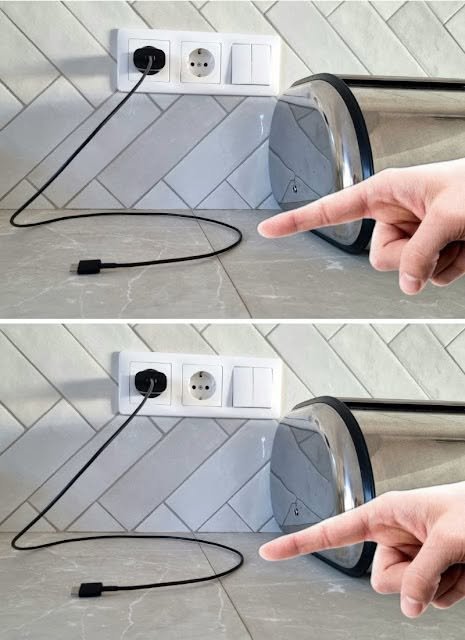
Headlines like “NEVER leave a charger in an outlet without your phone: I’ll reveal the 3 main reasons” use high-intensity, alarmist formatting to turn a very minor household convenience into a ticking time bomb.
While it is true that electrical safety experts generally recommend unplugging appliances and chargers when they aren’t in use, the reality is much more nuanced than these dramatic warnings suggest.
The three main reasons typically cited for unplugging a charger—and how much truth is actually behind them—include:
-
1. The Fire Hazard Risk (Real, but context-dependent):
-
The Claim: Leaving a charger plugged in will cause it to overheat and catch fire on its own.
-
The Reality: High-quality, original chargers from reputable brands have built-in safety regulators that shut off internal power draw when no device is connected. However, the risk changes drastically if you use cheap, unbranded, or counterfeit chargers. Substandard internal components, cheap wiring, and poor insulation can degrade over time, meaning a low-quality adapter left plugged in 24/7 carries a legitimate, albeit small, risk of overheating or short-circuiting.
-
-
2. “Vampire” Energy Waste (Technically true, but negligible):
-
The Claim: An idle charger constantly drains massive amounts of electricity from your home.
-
The Reality: A modern, empty charger plugged into a wall does draw a tiny amount of standby power (often measured at less than a fraction of a watt). Over an entire year, keeping a single phone charger plugged in constantly costs mere pennies. While it does contribute to minor background energy waste on a global scale, it won’t cause a spike on your monthly electric bill.
-
-
3. Component Wear and Tear (Slow internal aging):
-
The Claim: Leaving it plugged in wears out the internal transformer components prematurely.
-
The Reality: Electrical components do experience minor, continuous stress when connected to live current. However, day-to-day plugging and unplugging can also wear out the mechanical springs inside your wall outlets over time
-