What Those “Top 8 Fruits” Actually Contain—and What the Evidence Shows
-
General Vascular Support (Modest & Long-Term): Diets rich in colorful fruits and vegetables supply antioxidants, soluble fiber, and potassium, which help protect the delicate inner lining of blood vessels (endothelium), modestly support healthy blood pressure, and mildly reduce platelet “stickiness” over time as part of an overall heart-healthy eating pattern.
-
Why Fruit Cannot “Manage” or Dissolve a Blood Clot: In test-tube studies, concentrated extracts of grape polyphenols, kiwi, or pineapple enzyme (bromelain) show weak anti-platelet effects—far weaker and less predictable than prescribed antiplatelet drugs (like aspirin or clopidogrel) or anticoagulants (like apixaban, rivaroxaban, warfarin, or heparin). Eating fruit cannot break down a formed clot or replace medical clot prevention.
Important Medication Interactions With Certain “Clot-Health” Fruits
-
Grapefruit, Seville Oranges, Pomelo, and Concentrated Pomegranate/Cranberry Extracts: Grapefruit (and related citrus) blocks intestinal CYP3A4 enzymes and drug transporters, which can alter blood levels of several cardiovascular medications (including certain statins, calcium-channel blockers, and some anticoagulants/antiarrhythmics depending on the specific drug).
-
Warfarin Consistency: While most fruits are low in vitamin K compared to leafy greens, dramatic swings in intake or concentrated fruit/herbal supplements can still affect INR stability on warfarin—consistency and pharmacist review matter.
When to Seek Care
-
Emergency Care (
<1 hour): Call 1122 (in Pakistan) or go to the nearest emergency hospital immediately for warning signs of a pulmonary embolism, stroke, or heart attack—including sudden shortness of breath, chest pain that worsens when breathing in, coughing up blood, fainting/rapid pulse, sudden one-sided weakness/numbness, slurred speech, or sudden vision loss. -
Same-Day Urgent Care (
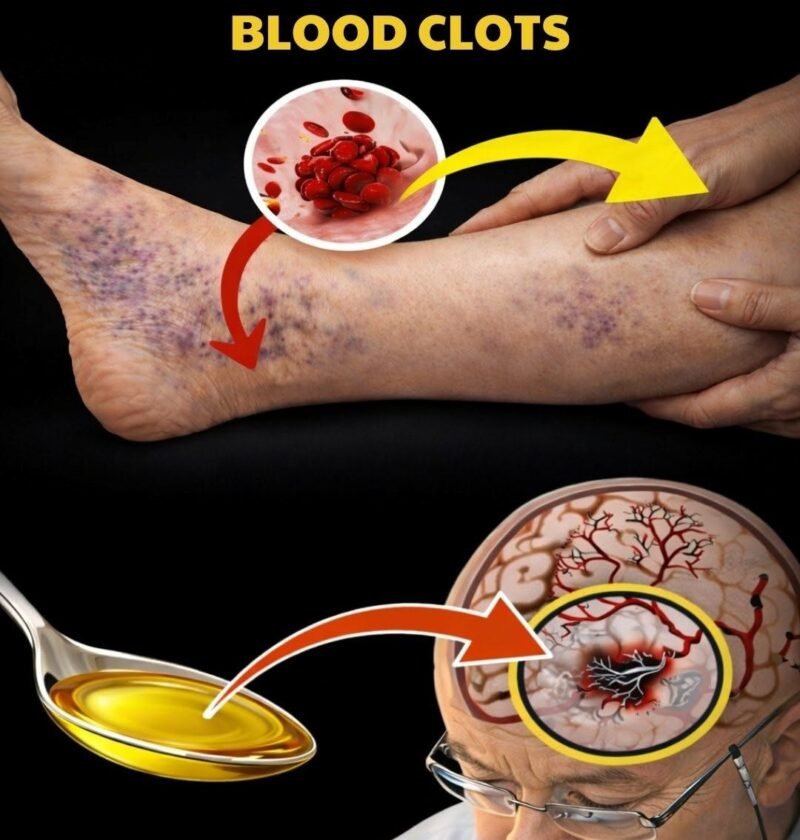
<24 hours): Seek prompt medical evaluation for new swelling, pain, warmth, or redness in one calf or leg (possible deep vein thrombosis—do not massage or apply heat to the swollen calf). -
Routine Doctor or Pharmacist Visit (Within 2–7 Days): Check in before starting concentrated fruit extracts/supplements or making major dietary changes if you take warfarin, apixaban, rivaroxaban, dabigatran, clopidogrel, aspirin, or statins.