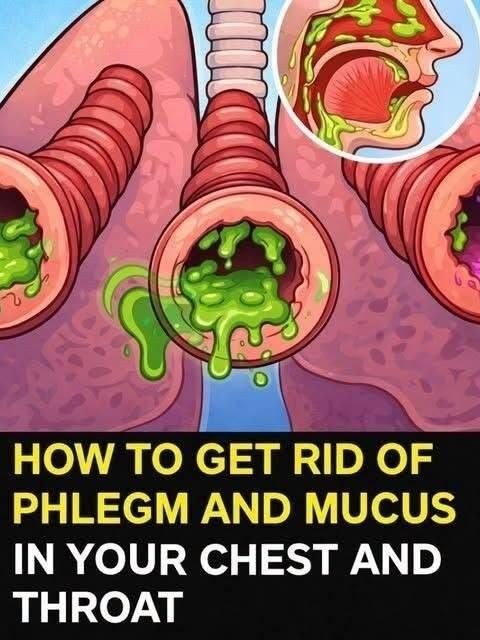
The Real Causes of Constant Phlegm and Mucus in the Throat
Constant mucus in your throat isn’t necessarily caused by “too much mucus.” Often, something is irritating the nose, sinuses, throat, or airways, causing the sensation of mucus or repeated throat-clearing.
Common causes
Postnasal drip — Mucus from the nose or sinuses drains down the back of the throat. Allergies, chronic sinus inflammation, and infections can contribute.
N
nhs.uk
+1
Acid reflux — Stomach contents can irritate the throat and cause mucus sensation, throat clearing, hoarseness, or coughing—even without classic heartburn.
M
Mayo Clinic News Network
+1
Asthma or airway inflammation — Asthma can sometimes present mainly as coughing rather than obvious wheezing.
M
Mayo Clinic
Smoking or other irritants — Tobacco smoke, pollution, dust, and chemical fumes can increase airway irritation and mucus production.
M
Mayo Clinic
Chronic lung conditions — COPD, chronic bronchitis, and bronchiectasis can cause persistent phlegm, particularly when mucus is actually being brought up from the chest.
M
Mayo Clinic
Medications — ACE-inhibitor blood-pressure medicines can cause a persistent cough in some people.
M
Mayo Clinic News Network
What you can try
Drink enough fluids to help keep mucus thinner.
Try warm liquids to soothe the throat.
If nasal congestion or postnasal drip is prominent, saline nasal irrigation may help.
Avoid cigarette smoke and other airway irritants.
If reflux seems likely, avoid lying down soon after eating and consider eating your evening meal earlier.
M
Mayo Clinic
+1
Instead of repeatedly forcefully clearing your throat, try taking a sip of water; frequent harsh throat-clearing can further irritate the throat.
Don’t ignore persistent mucus
If you’ve had constant phlegm or a cough for more than several weeks, it’s worth finding the underlying cause rather than simply trying different home remedies. Chronic cough is generally defined as lasting more than eight weeks in adults, and evaluation may include an examination, medication review, chest imaging, or lung-function testing depending on the symptoms.
M
Mayo Clinic
+1
Seek urgent medical attention for coughing up blood, significant difficulty breathing, chest pain, or severe difficulty swallowing.
M
Mayo Clinic
Bottom line: The most useful “cure” depends on the cause. If the sensation is mainly in your throat, postnasal drip or reflux are common possibilities; if you’re coughing mucus up from your chest, asthma, COPD, bronchitis, bronchiectasis, infection, and other lung conditions need consideration.
N
M
M
Sources