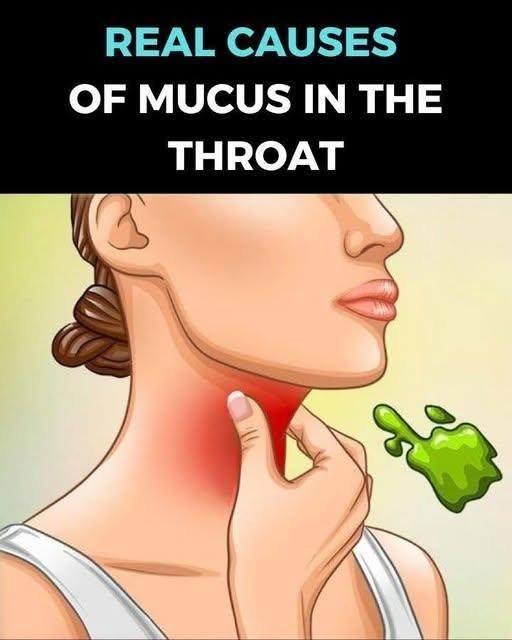
Constant Phlegm or Mucus in Your Throat: What Could Be Causing It?
Having some mucus is normal—your nose and throat produce it continuously. The problem is when you constantly feel mucus in your throat, repeatedly clear your throat, or cough it up. Several different conditions can cause this.
The most common causes
1. Postnasal drip
Mucus draining from the nose or sinuses down the back of the throat is one of the most common explanations. Allergies, colds, sinus problems, dry air and nasal irritation can all contribute.
2. Allergies
Pollen, dust, mold and pet dander can increase nasal mucus and cause throat clearing, congestion and coughing.
3. Acid reflux (GERD)
Reflux can irritate the throat and create a sensation of mucus or a lump—even when you don’t experience classic heartburn.
4. Asthma or another lung condition
Asthma, chronic bronchitis, COPD and bronchiectasis can cause persistent coughing and mucus production.
5. Smoking or environmental irritants
Tobacco smoke, dust, chemicals and other airborne irritants can stimulate mucus production and irritate the airways.
What you can try
- 💧 Drink enough fluids to help keep secretions thinner.
- Saline nasal spray or rinse can help clear and moisturize the nasal passages. If using a nasal rinse, use appropriately sterile/distilled or previously boiled and cooled water.
- A cool-mist humidifier may help if the air is dry.
- Try warm liquids to soothe an irritated throat.
- Avoid cigarette smoke and other respiratory irritants.
- If reflux seems likely, avoid eating for several hours before lying down and discuss persistent symptoms with a healthcare professional.
Don’t assume that green or yellow mucus automatically means you need antibiotics; mucus color by itself doesn’t reliably establish a bacterial infection.
🚩 When should you get checked?
See a healthcare professional if the problem persists for weeks, keeps worsening, or is accompanied by significant cough, wheezing, shortness of breath, fever, unexplained weight loss, night sweats, or recurrent sinus problems.
Seek urgent medical care for coughing up significant amounts of blood, severe breathing difficulty, chest pain, or sudden deterioration.