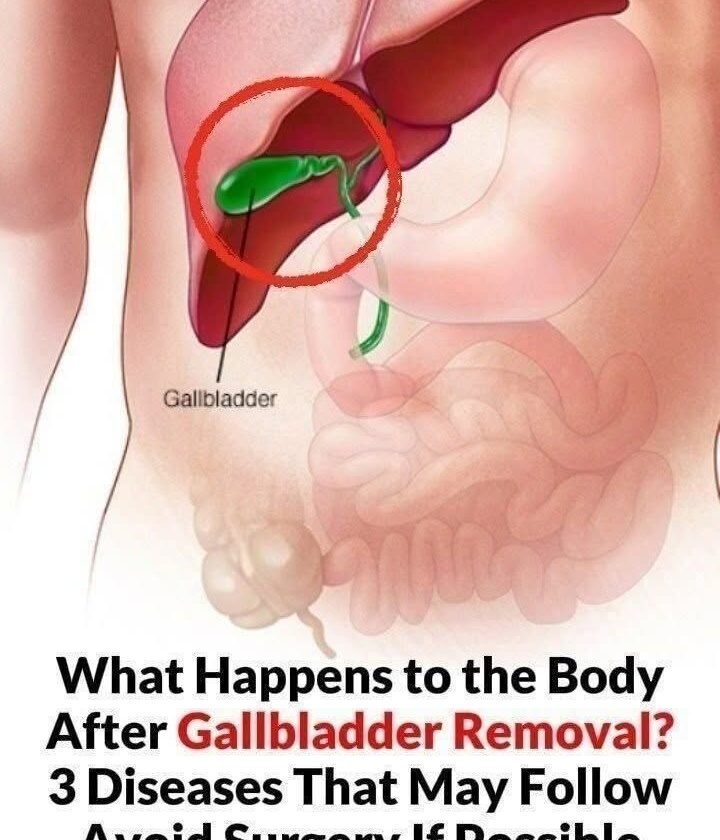
The claim that you should “avoid gallbladder removal whenever possible” is too broad. Gallbladder removal (cholecystectomy) is generally considered a safe and effective treatment when gallstones are causing significant symptoms or complications. (nhs.uk)
Three things that can occur after surgery
- Diarrhea or more frequent stools
A small number of people develop softer or more frequent stools because bile flows continuously into the intestine. This is often temporary and can usually be managed. (NIDDK) - Persistent abdominal or digestive symptoms
Some people experience ongoing abdominal pain, indigestion, nausea, or diarrhea, sometimes referred to as post-cholecystectomy syndrome. Persistent symptoms may have causes unrelated to the gallbladder and sometimes require further evaluation. (nhs.uk) - Surgical complications
As with any operation, there are risks such as infection, bleeding, bile leakage, or injury to the bile ducts or nearby organs. Serious complications are uncommon. (nhs.uk)
So should you avoid the surgery?
Not necessarily. If you have silent/asymptomatic gallstones, surgery often isn’t needed. But if gallstones cause recurrent attacks, inflammation, bile-duct obstruction, jaundice, or pancreatitis, removing the gallbladder may prevent potentially serious complications. (NIDDK)
The right decision depends on why surgery has been recommended, your symptoms, imaging findings, and your overall health. Don’t postpone a recommended operation solely because of a viral headline.