The Five Drinks That May Be Most Harmful to Your Bones, According to Health Exper
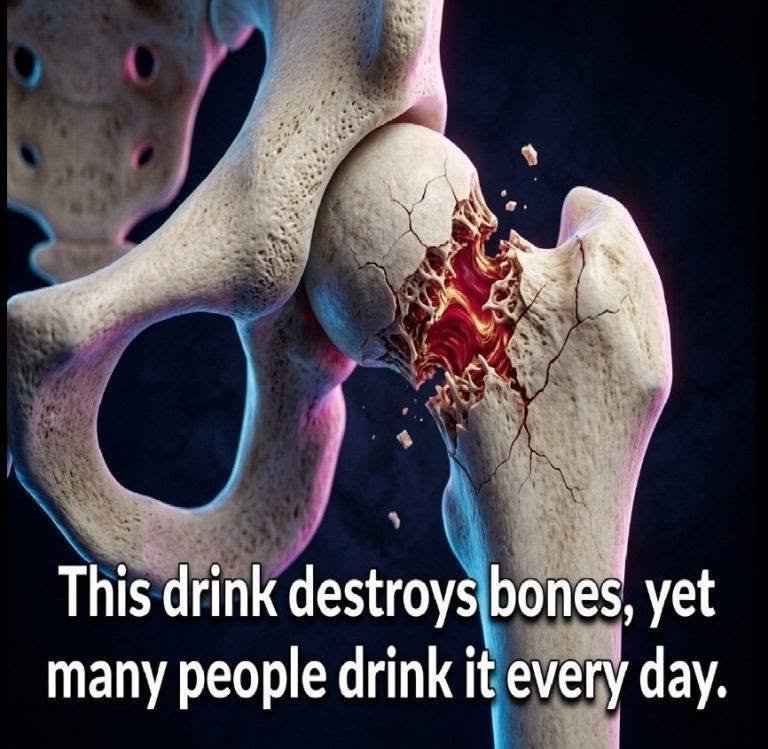
Strong bones require more than calcium. Your bones also depend on vitamin D, protein, physical activity, and an overall balanced diet. While no single beverage automatically causes weak bones, regularly drinking certain beverages in large amounts may work against good bone health.
Health experts particularly recommend paying attention to excessive alcohol and caffeine consumption and limiting soft drinks, especially cola. The evidence is not equally strong for every beverage, so moderation is more appropriate than assuming that these drinks must be completely eliminated. (bonehealthandosteoporosis.org)
1. Cola Soft Drinks
Cola is one of the beverages most frequently discussed in relation to bone health. Some studies have found an association between regular cola consumption and lower bone mineral density, particularly among women. (pubmed.ncbi.nlm.nih.gov)
Cola commonly contains caffeine and phosphoric acid. These ingredients have been investigated for their possible effects on calcium balance. Another concern is that frequently choosing soft drinks may replace more nutritious beverages, such as milk or calcium-fortified alternatives, in the diet.
Importantly, the carbonation itself does not appear to damage bones. The concern is more about the overall nutritional content and consumption pattern.
2. Sugary Soft Drinks
Regular soda and other sugar-sweetened beverages can contain large amounts of added sugar while providing relatively little calcium, vitamin D, or other nutrients needed for maintaining strong bones.
Research has found associations between high consumption of sugar-sweetened beverages and measures of bone health, although these studies do not prove that sugary drinks directly cause osteoporosis. (pmc.ncbi.nlm.nih.gov)
Replacing sugary drinks with water or nutrient-rich beverages can be a simple way to improve your overall diet.
3. Excessive Alcohol
Heavy alcohol consumption is one of the clearest beverage-related concerns for bone health. Regularly drinking too much alcohol can contribute to bone loss and increase the risk of fractures. (osteoporosis.foundation)
Alcohol can also increase the risk of falls, which can be particularly dangerous for people with low bone density.
If you drink alcohol, moderation is important. People who do not drink do not need to start drinking for the sake of their bones.
4. Highly Caffeinated Drinks
Coffee, tea, cola, and some energy drinks contain caffeine. In excessive amounts, caffeine can slightly reduce calcium absorption and increase calcium loss from the body. (bonehealthandosteoporosis.org)
This does not mean that coffee or tea is automatically bad for your bones. Moderate consumption can fit into a healthy diet, particularly when you get enough calcium from food.
The concern is greater when someone consumes large amounts of caffeine while having a diet that is already low in calcium.
5. High-Caffeine Energy Drinks
Energy drinks can contain substantial amounts of caffeine and