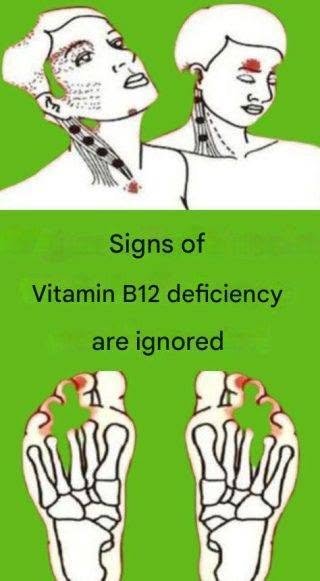
Vitamin B12 deficiency can develop gradually, so its symptoms are sometimes mistaken for stress, aging, or simply being tired. Some symptoms can become serious if deficiency is left untreated.
Signs that can be easy to overlook
-
Persistent tiredness or weakness
-
Pale or yellowish skin
-
Tingling, numbness, or “pins and needles” in the hands or feet
-
Balance or walking problems
-
Muscle weakness
-
Brain fog, difficulty concentrating, or memory problems
-
Mood changes, including irritability or depression
-
A sore, swollen, or unusually smooth tongue
-
Mouth ulcers
-
Changes in vision, particularly in more advanced cases
-
Shortness of breath or a racing heartbeat, which can occur with B12-related anemia
Not everyone with B12 deficiency has anemia, and neurological symptoms can occur even when blood counts aren’t dramatically abnormal.
When to get checked
If several of these symptoms are persistent—particularly numbness, balance problems, memory changes, or weakness—it’s worth discussing them with a clinician. A blood test can help determine whether B12 deficiency is present and whether another condition could explain the symptoms