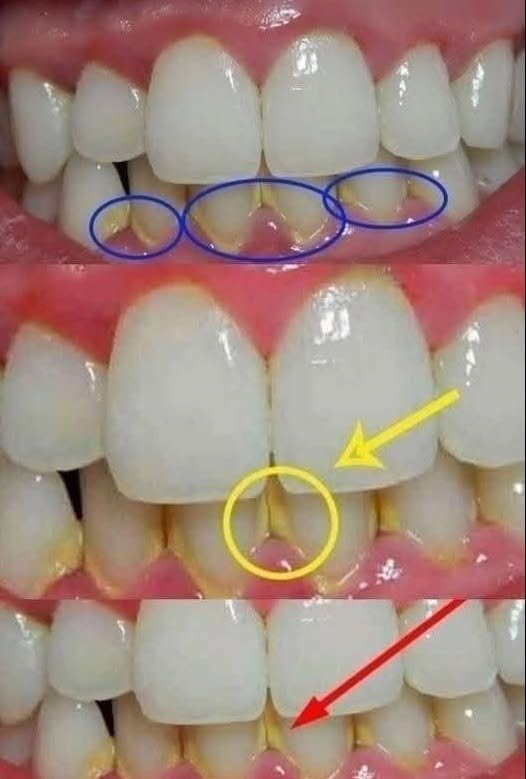
The claim that you can completely remove dental plaque in 5 minutes naturally, without a dentist is a viral myth often tied to DIY abrasive scrubs or chemical rinses found online.
While certain home habits can help prevent plaque buildup and manage surface stains, once plaque hardens into tartar (calculus), no home remedy or 5-minute trick can remove it.
Why the 5-Minute “Natural” Claim Doesn’t Add Up
Dental plaque is a sticky, colorless film of bacteria, saliva, and food particles that constantly forms on your teeth. Within 24 to 72 hours, if it isn’t physically disrupted, minerals in your saliva bond with it and calcify it into tartar, which binds so tightly to tooth enamel that only a dental professional using specialized metal instruments (scalers) or ultrasonic tools can remove it.
Furthermore, many viral “natural plaque removal” hacks—such as brushing with baking soda, lemon juice, apple cider vinegar, or activated charcoal—pose serious risks to your dental health:
-
Extreme Abrasiveness: Charcoal and baking soda can wear away your protective tooth enamel over time, exposing the yellowish dentin underneath and making teeth more prone to staining and cavities.
-
Acid Erosion: Lemon juice and apple cider vinegar are highly acidic. Brushing with them or holding them in your mouth softens your enamel, making it easy to scrub away permanently.
What Can You Do Naturally at Home?
While you cannot blast away hardened tartar in 5 minutes, you can effectively manage plaque every day using safe, dentist-backed habits:
-
Meticulous Brushing (The 2-Minute Rule): Brush twice a day for a full two minutes using a soft-bristled toothbrush (or an electric toothbrush, which is clinically proven to remove more plaque than manual brushing). Focus on the gumline where plaque loves to hide.
-
Daily Interdental Cleaning (Flossing): Brushing only cleans about 60% of your tooth surfaces. Flossing or using interdental brushes daily is the only way to disrupt plaque forming between your teeth where cavities and gum disease frequently start.
-
Oil Pulling (As a Complement, Not a Replacement): Swishing coconut oil or sesame oil in your mouth for 5–15 minutes (traditional Ayurvedic oil pulling) has been shown in some studies to reduce bacteria and plaque-forming microorganisms, but it does not replace brushing or flossing.
-
Water Flossers (Oral Irrigators): Using a water flosser can help flush out loose food debris and bacteria from hard-to-reach areas, supporting gum health alongside traditional flossing.
-
Staying Hydrated: Drinking plenty of water throughout the day helps wash away food particles and stimulates saliva, which is your mouth’s natural defense against bacteria and acid.
The Bottom Line
Skipping the dentist and relying on quick kitchen hacks to remove hardened buildup can lead to receding gums, tooth decay, and periodontal disease. Professional cleanings aren’t just about polishing—they reach the areas your toothbrush and floss simply cannot touch.