Pure Honey or Adulterated Honey? Here’s the Truth
There is a real problem with honey adulteration: cheaper sweeteners such as cane, corn, rice, and sugar-beet syrups can be added without being properly disclosed. In the FDA’s 2025 testing, 4 of 102 honey samples contained undeclared added sweeteners.
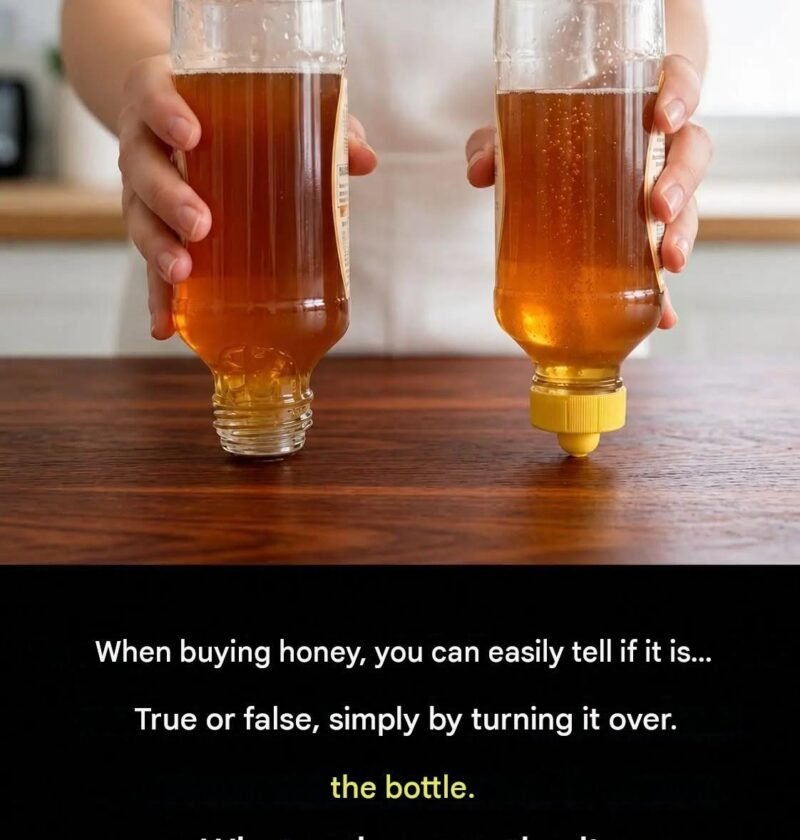
❌ Don’t trust the viral “one-minute” tests
You may have heard that pure honey will:
- sink in water,
- not spread on your thumb,
- light a match,
- never crystallize, or
- stay on top of bread.
None of these reliably proves that honey is pure. Genuine honey naturally varies in thickness and moisture, and genuine honey can crystallize or dissolve in water.
✅ The better way to avoid adulterated honey
1. Check the ingredient list.
If you’re buying packaged honey, look for a product whose only ingredient is honey. If other sweeteners have been added, the product should be identified as a blend and the added ingredients disclosed under U.S. FDA guidance.
2. Buy from a reputable, traceable producer.
A local beekeeper or established producer who can identify the source and harvest is preferable to an unknown seller making extravagant claims.
3. For certainty, use laboratory testing.
Food laboratories can use analytical methods to detect certain undeclared sweeteners. There is no reliable DIY kitchen test that can identify every form of honey adulteration.
🍯 One thing that surprises people
Crystallized honey is not necessarily fake. Crystallization is a natural process, and different varieties crystallize at different rates.