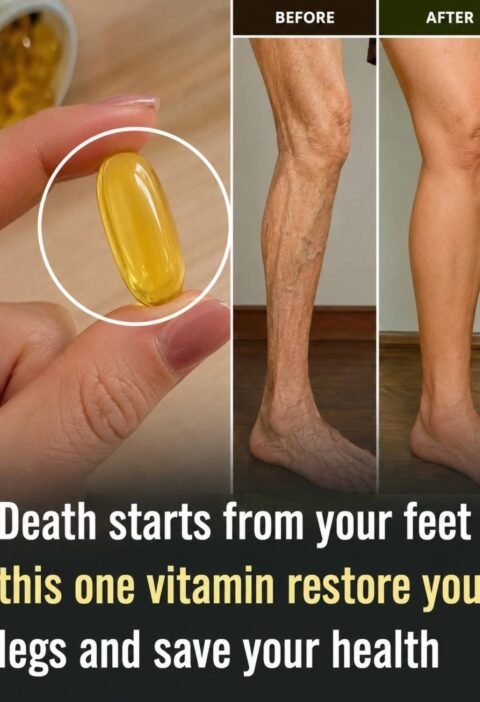
While vitamin D is widely recommended—especially during darker winter months or for those with limited sun exposure—pharmacists and health authorities frequently issue important warnings regarding how these supplements are taken. Because vitamin D is a **fat-soluble vitamin**, the body stores excess amounts rather than simply flushing them out like water-soluble vitamins (such as Vitamin C).
Pharmacists emphasize several key warnings to ensure you reap the benefits safely without compromising your health:
### 1. The Danger of Hypercalcemia (Taking Too Much)
* **The Warning:** Exceeding safe upper limits over a long period can lead to **hypercalcemia**, a dangerous buildup of calcium in the bloodstream.
* **Why It Matters:** Because vitamin D supercharges your body’s ability to absorb calcium from your diet, a massive surplus causes calcium to flood your blood. This can lead to kidney stones, bone pain, cardiovascular issues, nausea, vomiting, and excessive thirst or frequent urination. Most health guidelines advise that adults avoid exceeding **4,000 IU (100 micrograms) per day** from supplements unless specifically prescribed and monitored by a doctor.
### 2. Taking It on an Empty Stomach (Wasting Your Money)
* **The Warning:** Popping a vitamin D tablet with just a sip of water on an empty stomach drastically reduces how much of it your body actually absorbs.
* **Why It Matters:** Because it is fat-soluble, vitamin D needs dietary fats to bind to for proper digestion. Pharmacists recommend taking your supplement alongside a meal or snack containing healthy fats—such as avocado, eggs, nuts, full-fat yogurt, or a meal cooked with olive oil.
### 3. Overlooking Medication Interactions
* **The Warning:** High-dose vitamin D supplements can interact negatively with several common prescription medications.
* **Why It Matters:** Drugs like **thiazide diuretics** (water pills used for high blood pressure) reduce the body’s ability to excrete calcium; combining them with high-dose vitamin D significantly spikes your risk of dangerous hypercalcemia. Similarly, weight-loss drugs like orlistat or certain cholesterol-lowering medications can impair your gut’s ability to absorb fat-soluble vitamins altogether.
### 4. Misunderstanding How the Sun Works
* **The Warning:** Relying on indoor sunlight or assuming you are absorbing vitamin D through glass.
* **Why It Matters:** Standard window glass completely blocks the UVB rays necessary for your skin to synthesize vitamin D. Sitting in a sunny patch indoors will not boost your levels, and trying to compensate with tanning beds or unprotected sun exposure dramatically increases skin cancer risks.
—
### The Safe Approach
For most adults, a standard daily maintenance dose (such as 600 IU to 2,000 IU, depending on regional guidelines and individual blood levels) is safe and effective when taken with food. If you are considering high-dose supplementation (like weekly 50,000 IU prescriptions), it should always be guided by routine blood tests from your doctor.
*Are you currently taking a daily vitamin D supplement, or did a doctor recommend a specific dosage based on a recent blood test?*