Blog

The hardest time of life is between 70 and 75 years old. Here are 5 reasons why…

That headline is too absolute. There is no medical evidence that ages 70–75 are universally the hardest years of life. People experience aging very differently. However, this period can bring several challenges that are worth recognizing: Health changes — Chronic conditions, reduced mobility, hearing/vision changes, and medication burden can become more noticeable. Loss of independence …

Blog

Many People Still Don’t Know What the Two Buttons on a Dual-Flush Toilet Actually Do…

Exactly! 🚽 The two buttons on a dual-flush toilet aren’t just different-sized buttons—they’re designed to use different amounts of water depending on what you’re flushing. What the two buttons do Smaller button → liquid waste 💧 This activates the reduced flush, using less water. It’s intended for urine and other liquid waste. Larger button → …

Blog

Constipation: Here are 3 natural remedies that facilitate the evacuation of stools according to a dietician

If you’re looking for the three natural approaches a dietitian would commonly recommend for constipation, the evidence-based options are fairly straightforward. They help by increasing stool bulk, retaining water in the stool, or stimulating bowel movement. 1. Increase fiber gradually 🌾 Fiber can make stools softer and easier to pass, particularly when combined with enough …

Blog

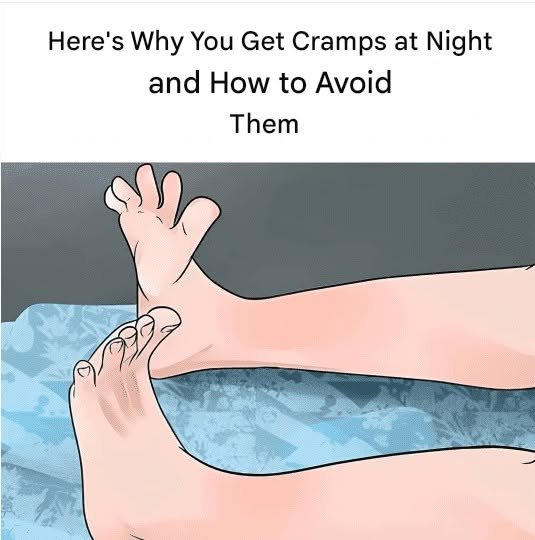
This is why we get cramps at night

If you mean “Why do we get leg cramps at night?”, there isn’t one single cause. Nighttime leg cramps are sudden, involuntary muscle contractions, usually in the calf, foot, or thigh, and they’re particularly common as people get older. Common reasons Muscle fatigue or overuse: Long periods of walking, standing, or strenuous exercise can make …

Blog

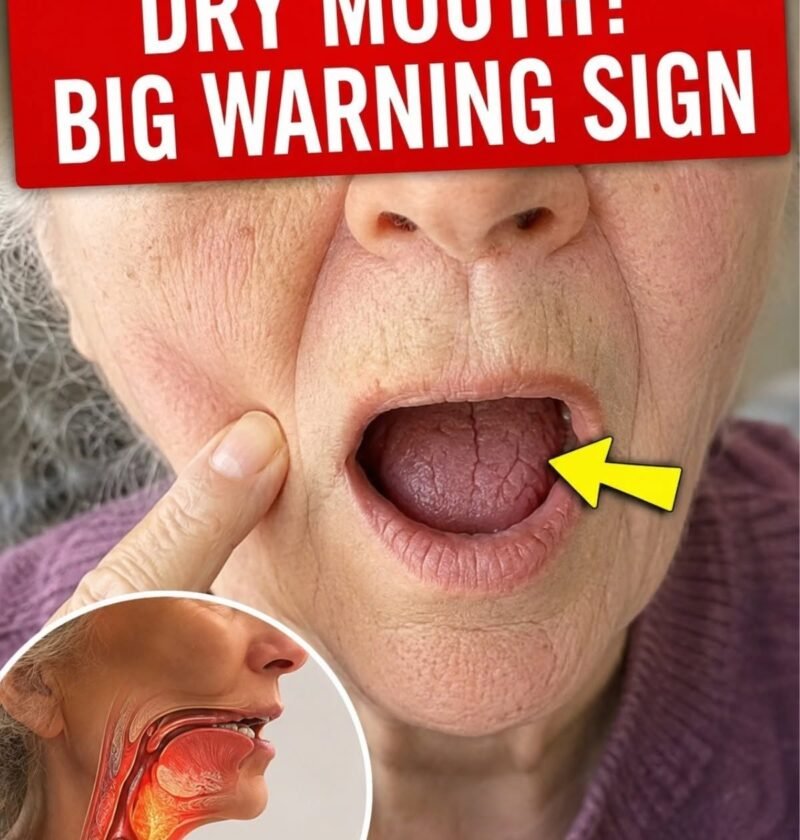
Dry Mouth Is Not Aging — It’s Your Saliva Shutting Down

That headline is misleading. Dry mouth (xerostomia) isn’t simply “your saliva shutting down,” and it isn’t an inevitable part of aging. Dry mouth means reduced saliva or a sensation of dryness. Common causes include: Medications — especially antihistamines, antidepressants, some blood-pressure medicines, diuretics, and anticholinergic drugs. Dehydration or excessive fluid loss. Mouth breathing, snoring, or …

Blog

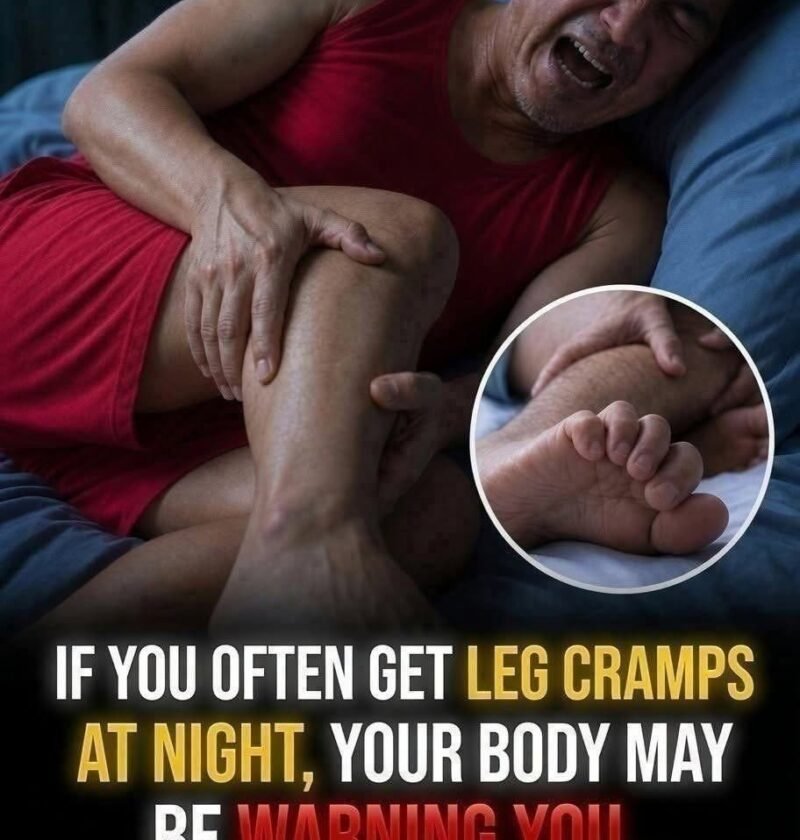
If You Often Get Leg Cramps At Night, Your Body May Be Trying To Warn You About Something

Yes—frequent nighttime leg cramps can sometimes be a clue that something needs attention, but they’re also very common and often harmless. Possible contributors include: Dehydration or heavy sweating Overuse or muscle fatigue, especially after exercise Certain medications, including some diuretics and cholesterol-lowering drugs Low levels of certain electrolytes, although cramps aren’t automatically evidence of a …

Blog

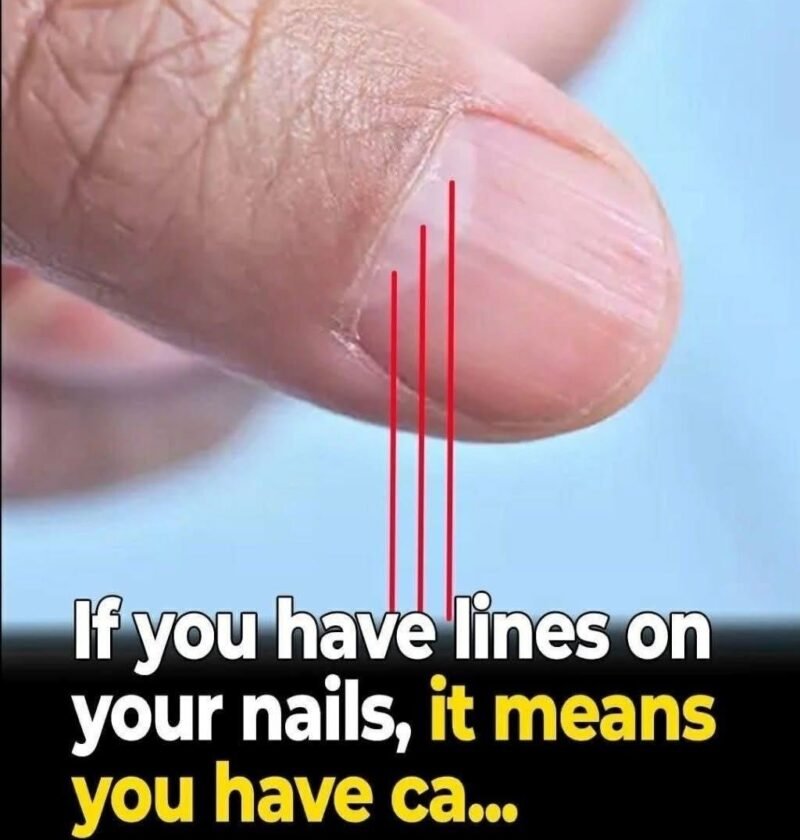
Doctor Uncovers A Telltale Sign In Your Fingernails That May Predict Your Life Expectancy

If you’re asking whether that headline is medically credible: yes, fingernails can sometimes contain clues about health, but there is no single “telltale” nail sign that reliably predicts your life expectancy. Some nail findings can be associated with underlying conditions: Clubbing — enlarged, curved fingertips can occur with certain lung, heart, liver, or gastrointestinal diseases. …

Blog

7 medications that cause severe dementia and profound brain damage

If you mean medications that can significantly worsen cognition or increase dementia risk, there isn’t a medically valid list of seven drugs that cause “severe dementia and profound brain damage” in everyone who takes them. The risk depends heavily on dose, duration, age, other medications, and underlying illness. Medications/classes that deserve particular attention include: Diphenhydramine …