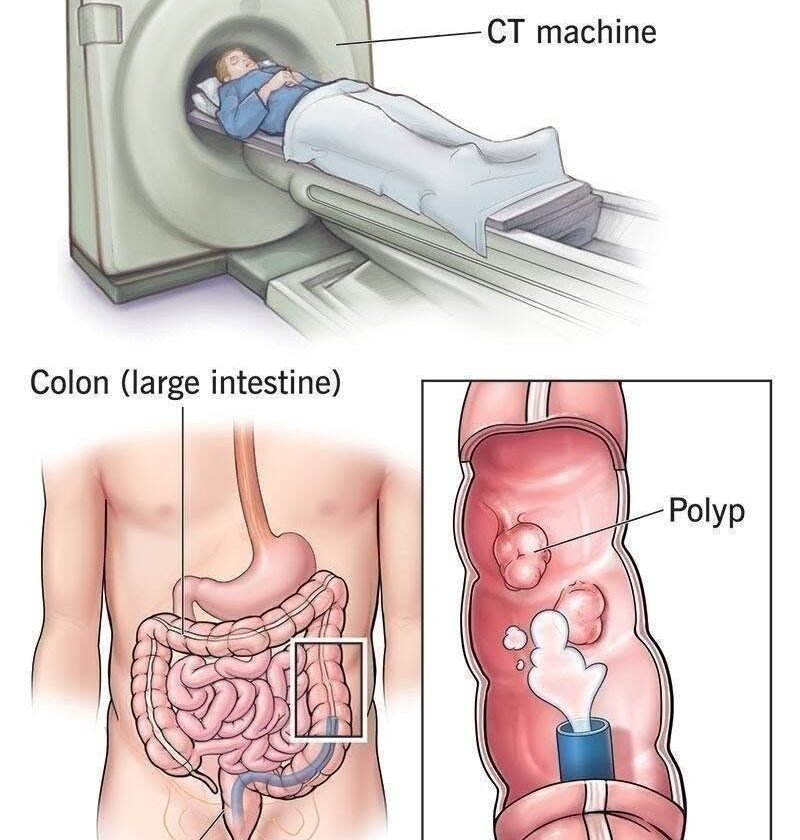
Headlines claiming “colonoscopy will no longer be an invasive examination” usually refer to non-invasive colon screening alternatives—such as capsule colonoscopy (pill cameras), CT colonography (virtual colonoscopy), or next-generation stool and blood DNA tests—rather than a painless, scope-free version of traditional colonoscopy itself.
Traditional optical colonoscopy remains the gold standard because it lets a doctor inspect the lining directly and remove precancerous polyps during the same visit. Non-invasive options can screen for polyps or cancer without inserting a long scope, but each still involves trade-offs—and a positive result on any non-invasive test still requires a standard colonoscopy afterward.
Main Non-Invasive Alternatives Behind These Headlines
| Method | How It Works | Key Limitations |
| Colon Capsule Endoscopy | You swallow a vitamin-sized wireless camera capsule that takes thousands of photos as it passes through the digestive tract. | Still requires full bowel prep (often stricter than standard colonoscopy); cannot take biopsies or remove polyps; capsules can occasionally get stuck if a narrowing exists. |
| CT Colonography (Virtual Colonoscopy) | A low-dose CT scan creates 3D images of the colon after air or carbon dioxide gently inflates it via a small rectal tube. | Still requires full bowel prep; exposes you to low-dose radiation; may miss small or flat polyps; requires a follow-up colonoscopy if anything abnormal appears. |
| Stool DNA & FIT Tests | At-home stool kits check for hidden blood and altered cellular DNA shed by polyps or tumors. | No bowel prep or sedation needed, but lower sensitivity for precancerous polyps than a scope; must be repeated every 1–3 years. |
| Blood-Based Screening Tests | A standard blood draw looks for circulating tumor DNA methylation markers linked to colorectal cancer. | Very convenient, though currently much better at detecting established cancer than catching early precancerous polyps before they turn malignant. |
What Headlines Often Leave Out
-
Bowel Prep Usually Still Applies: For camera capsules and virtual CT scans, the colon still has to be completely cleared beforehand so stool does not block the view.
-
Diagnosis vs. Treatment: Non-invasive tests only look or screen. Standard colonoscopy is both diagnostic and preventive because removing polyps on the spot prevents cancer from developing.
-
Availability and Cost: Capsule colonoscopy and blood-based tests are not universally covered by insurance or widely used for routine first-line screening in healthy average-risk adults; they are often reserved for people who had an incomplete colonoscopy or cannot safely undergo sedation.
If you have the second part of the article or post (
(2/2)), share it and I can break down the specific technology or study it describes.